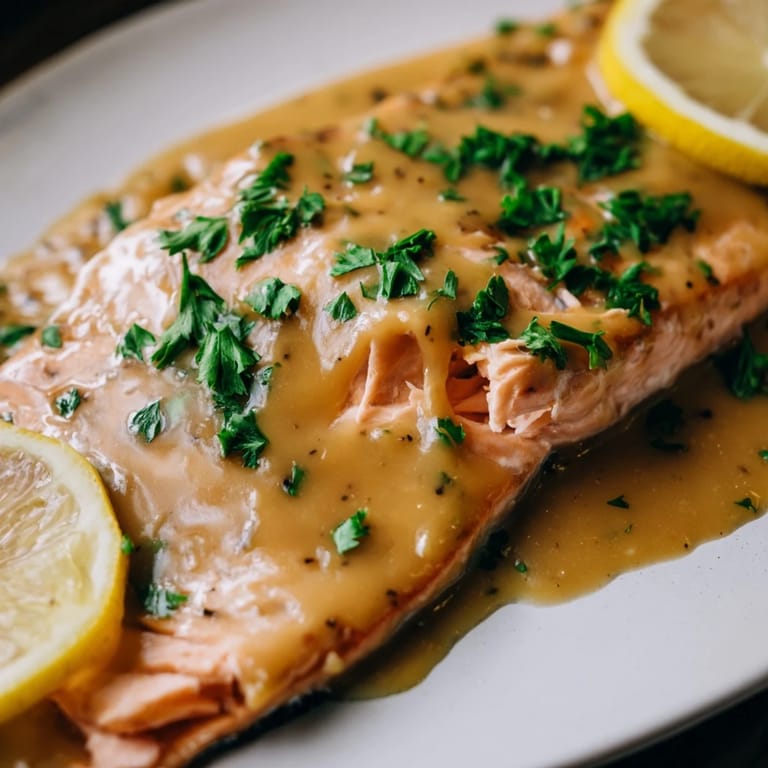
 Save
Save There's something magical about the moment when honey and mustard meet hot salmon in the oven—the kitchen fills with this warm, tangy sweetness that makes everyone stop what they're doing. I stumbled onto this combination years ago when I was frantically improvising dinner for a friend who'd just mentioned offhand that she loved anything with a sweet-savory balance. Twenty minutes later, we were eating straight from the baking sheet because it smelled too good to wait for plates. Now it's my go-to when I want something that tastes like I've been cooking all day but actually took less time than ordering takeout.
I learned to make this properly when my partner brought home a beautiful side of salmon on sale and I realized I'd been overcooking fish my whole life. The trick wasn't complicated, but it changed everything: pat the fillets dry, coat them generously, and then trust the oven. That first time, I kept opening the door to check on them because I was paranoid, and he finally banished me from the kitchen. When I came back, the salmon was perfect—still buttery inside, caramelized edges, the sauce clinging to each fillet like it was meant to be there.
Ingredients
- Salmon fillets (4, about 6 oz each): Choose ones with even thickness so they cook uniformly; skin-on holds everything together beautifully and gives you something crispy to look forward to.
- Dijon mustard (3 tbsp): This is your backbone—it brings sophistication and tang that prevents the whole dish from being cloying.
- Whole grain mustard (2 tbsp): The little seeds add texture and a slight earthiness that makes people wonder what your secret is.
- Honey (3 tbsp): Pure honey melts smoothly into the sauce; avoid anything that's been sitting in the back of your cupboard for three years.
- Olive oil (1 tbsp): This helps the sauce spread and coat the fish evenly without drying it out.
- Lemon juice (1 tbsp): Fresh is non-negotiable here—it cuts through the richness and brightens everything.
- Garlic (2 cloves, minced): Raw garlic in the sauce becomes mellow and sweet as it bakes alongside the salmon.
- Salt and black pepper: Season to your taste, remembering that the mustards already bring saltiness.
Tired of Takeout? 🥡
Get 10 meals you can make faster than delivery arrives. Seriously.
One email. No spam. Unsubscribe anytime.
Instructions
- Heat your oven and prepare:
- Preheat to 400°F and line your baking sheet with parchment paper—this saves you scrubbing later and helps everything slide off perfectly.
- Build the sauce:
- Whisk the mustards, honey, olive oil, lemon juice, and garlic together in a small bowl until it's smooth and glossy. Don't overthink this; you're just bringing everything into harmony.
- Arrange and dry:
- Place your salmon fillets on the prepared sheet and pat them thoroughly dry with paper towels—this is the one step that genuinely matters for getting the sauce to stick and the skin to crisp.
- Coat generously:
- Spoon the sauce over each fillet and spread it across the top in an even layer, getting into any crevices. The sauce will thicken slightly as it bakes.
- Bake with confidence:
- Slide the whole thing into the oven for 15 to 20 minutes—the salmon's done when it flakes easily with a fork and the flesh is opaque all the way through. If you like things caramelized, give it a quick 2-minute broil at the end.
- Finish and serve:
- Scatter fresh parsley over the top if you have it, squeeze a wedge of lemon over everything, and serve immediately while the glaze is still clinging to each bite.
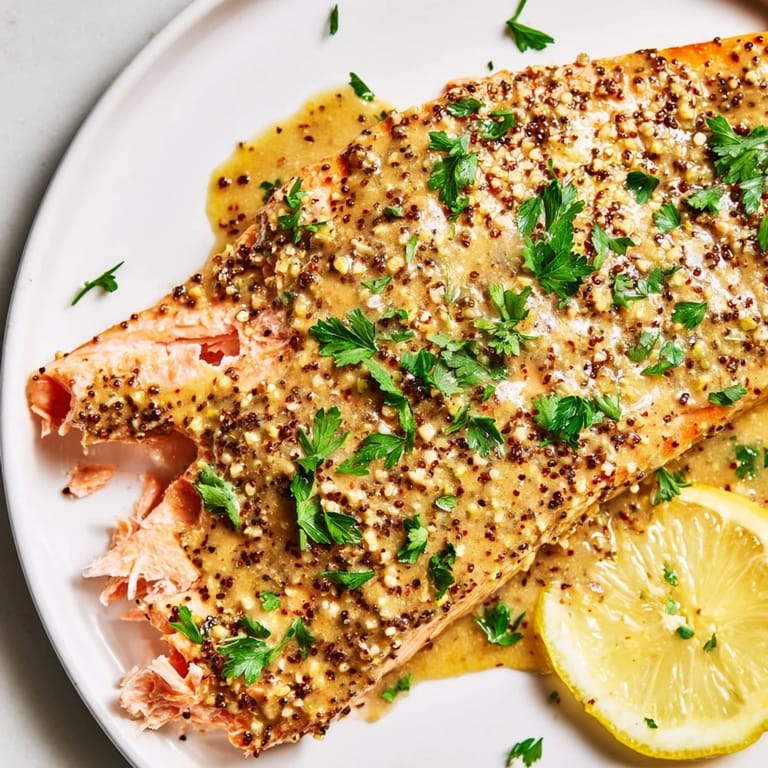 Save
Save The moment I knew this recipe had staying power was when my eight-year-old nephew—who claims to hate fish—asked for seconds and wanted to know if there was honey in it. There's something about the sweetness that bridges the gap between cautious eaters and adventurous ones, and suddenly fish isn't scary anymore, it's just delicious.
Why This Combination Works
Honey and mustard are an old pairing, but they sing when they're baked directly onto salmon instead of sitting in a jar. The heat mellows the mustard's sharp bite just enough, while the honey caramelizes and deepens into something almost savory. Garlic gets sweet and soft, lemon juice keeps everything bright, and the salmon underneath absorbs all of it while staying tender because the sauce acts as a protective blanket against the dry heat of the oven.
How to Know When It's Perfect
The salmon should have a slightly caramelized glaze on top with darker edges where the sauce has concentrated—that's flavor. When you press the thickest part with your fork, it should flake apart easily without any translucent raw-looking sections. The kitchen should smell incredible, and you should feel the urge to eat it immediately rather than plate it nicely.
What to Serve Alongside
I've served this with everything from simple roasted broccoli to a fresh arugula salad to quinoa pilaf, and it honestly doesn't matter—the salmon is rich and flavorful enough to be the star. The glaze is also loose enough to drip slightly onto whatever you've got on the plate, which somehow makes the whole meal taste like you planned it that way.
- Roasted vegetables like green beans or asparagus soak up the extra sauce that pools on the plate.
- A grain like rice or couscous turns this into a complete meal with minimal effort.
- If you're keeping it light, just serve with lemon wedges and fresh greens for brightness.
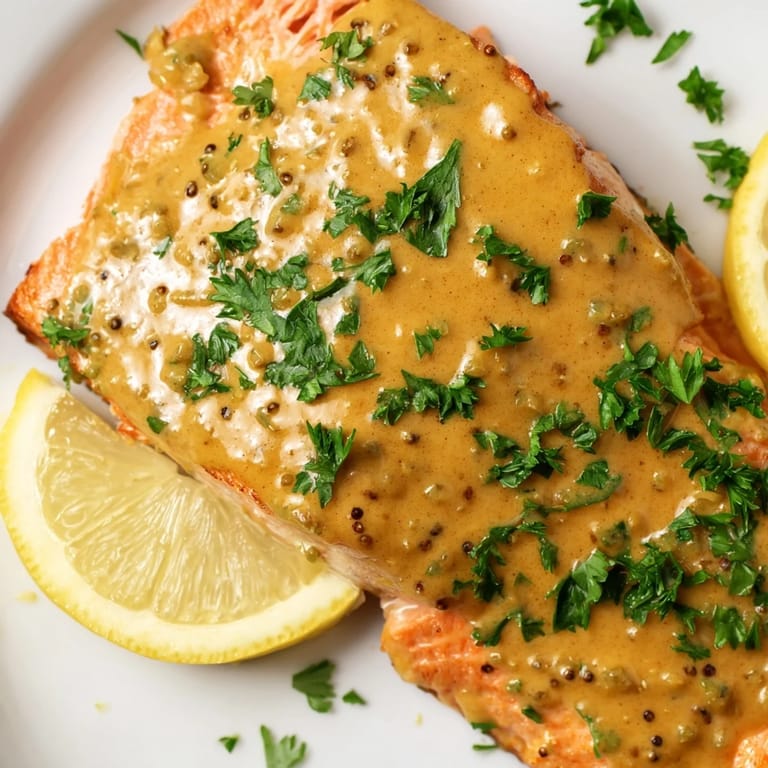 Save
Save This recipe has become my answer to the question "what's for dinner?" when I have no time, no inspiration, and people coming over. It's proof that simple combinations, done carefully, taste like you've been thinking about dinner since breakfast.
Recipe FAQs
- → What kind of mustard is used in the sauce?
The sauce features a blend of Dijon and whole grain mustards, offering a flavorful and textured base.
- → Can I use skin-on salmon fillets for this dish?
Yes, both skin-on and skinless fillets work well, adding either extra crispness or convenience.
- → How do I prevent the salmon from drying out during baking?
Coating the fillets generously with the honey mustard sauce helps keep them moist and flavorful while baking.
- → Is it possible to broil the salmon for added caramelization?
Yes, broiling for the last 2 minutes intensifies caramelization for a golden, slightly crisp top.
- → What are some recommended side dishes to serve with this salmon?
Pair with rice, quinoa, roasted vegetables, or a fresh salad to complement the honey mustard flavors.
- → Are there any common allergens in this dish?
This dish contains fish and mustard; check mustard ingredients for sulfites to ensure they meet dietary needs.