 Save
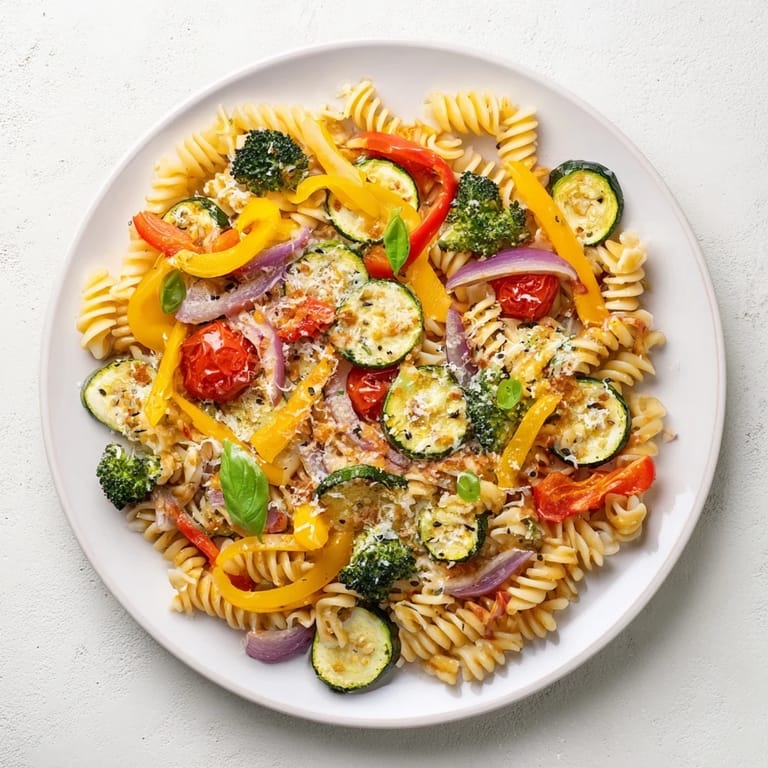
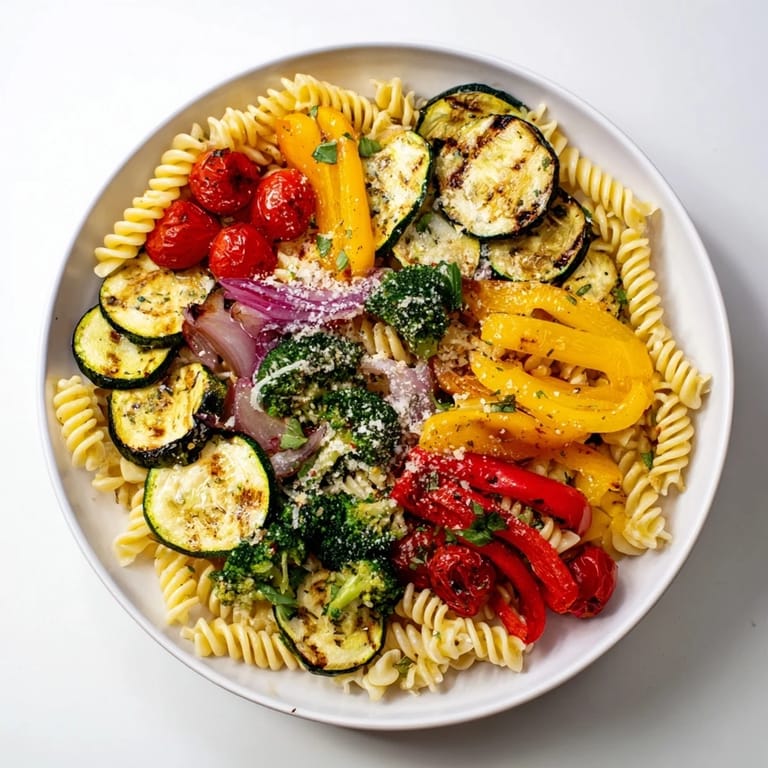
Save My neighbor Maria walked into my kitchen one spring afternoon, arms full of squash and peppers from her garden, and simply said, "Use these before they go bad." I had a box of penne in the cupboard and no real plan, but something about the colors made me think of a meal I'd had years ago in a tiny trattoria outside Florence. That night, I roasted everything with olive oil and garlic, tossed it with pasta, and ended up with a dish so bright and satisfying that I made it three more times that week.
I once brought this to a potluck where someone had made a complicated lasagna and someone else had ordered expensive takeout. Mine was the first dish to disappear. People kept asking if I'd used a special sauce, and I had to admit it was just good olive oil and pasta water. Sometimes the simplest things win because they taste like actual food, not a performance.
Ingredients
- Penne or fusilli pasta: Short shapes with ridges grab onto the vegetables and oil, creating little pockets of flavor in every bite.
- Zucchini and yellow squash: They roast beautifully and add a mild sweetness that balances the sharper vegetables.
- Red and yellow bell peppers: Roasting them brings out their natural sugars and gives the dish a soft, jammy texture.
- Red onion: It caramelizes in the oven and adds a slight tang that cuts through the richness of the oil.
- Cherry tomatoes: They burst in the heat and release juice that coats everything like a light, natural sauce.
- Broccoli florets: The edges crisp up and the stems stay tender, adding both texture and a bit of earthiness.
- Extra virgin olive oil: This is not the time for cheap oil; good olive oil is the backbone of the whole dish.
- Garlic: Sautéed just until fragrant, it perfumes the entire skillet without overpowering the vegetables.
- Italian herbs: A blend of oregano, basil, and thyme ties everything together with that classic Italian warmth.
- Parmesan cheese: Freshly grated melts into the hot pasta and adds a salty, nutty finish that makes the dish feel complete.
- Fresh basil or parsley: A handful of chopped herbs at the end brightens everything and makes it taste like spring.
- Lemon wedges: Optional, but a squeeze of lemon right before serving wakes up all the flavors.
Tired of Takeout? 🥡
Get 10 meals you can make faster than delivery arrives. Seriously.
One email. No spam. Unsubscribe anytime.
Instructions
- Prep the oven and vegetables:
- Preheat your oven to 220°C (425°F) and line a large baking sheet with parchment paper. Spread all your sliced vegetables in a single layer, drizzle with olive oil, and season with herbs, salt, and pepper, then toss everything with your hands to coat evenly.
- Roast until golden:
- Slide the pan into the oven and roast for 18 to 20 minutes, stirring once halfway through. You want the edges to brown and the vegetables to soften but still hold their shape.
- Cook the pasta:
- While the vegetables roast, bring a large pot of salted water to a rolling boil and cook the pasta until al dente. Before draining, scoop out half a cup of the starchy cooking water and set it aside.
- Sauté the garlic:
- In a large skillet over medium heat, warm the remaining tablespoon of olive oil and add the minced garlic. Let it sizzle for about 30 seconds until fragrant but not browned.
- Combine everything:
- Add the roasted vegetables and drained pasta to the skillet, tossing gently with tongs. If it looks dry, add a splash of the reserved pasta water to loosen and help everything cling together.
- Finish and serve:
- Remove the skillet from the heat and stir in half the Parmesan and a handful of fresh herbs. Taste, adjust the seasoning, and serve in warm bowls topped with the remaining cheese and a squeeze of lemon if you like.
 Save
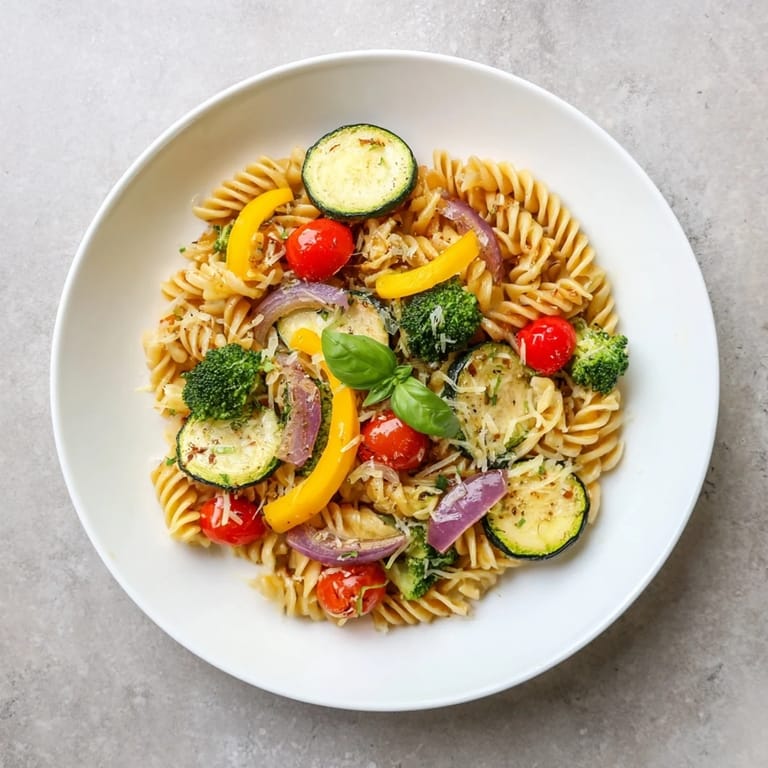
Save The first time I made this for my parents, my dad, who usually asks for meat with every meal, went back for seconds without a word. My mom leaned over and whispered, "He did not even notice." That is when I realized this dish does not need defending or apologizing for being vegetarian; it just needs to taste good.
How to Choose Your Vegetables
I have made this with whatever was in season or on sale, and it has never let me down. In the summer, I use zucchini and tomatoes; in the fall, I swap in mushrooms and butternut squash. Asparagus and snap peas are perfect in spring, and even frozen broccoli works in a pinch if you thaw and dry it first. The key is balancing softer vegetables like tomatoes with firmer ones like peppers so everything finishes cooking at the same time.
What to Do with Leftovers
This pasta is one of those rare dishes that tastes just as good cold the next day. I have eaten it straight from the fridge for breakfast, tossed it into a frittata, and even spread it on toast with a fried egg on top. If you want to reheat it, add a splash of water or broth to a skillet and warm it gently over medium heat, stirring often. The vegetables will soften a bit more, but the flavors deepen and meld together in a way that feels almost intentional.
Making It Your Own
Once you get the basic method down, this recipe becomes a template you can riff on forever. I have stirred in white beans for extra protein, added a handful of spinach at the end for more greens, and even tossed in leftover rotisserie chicken when I needed to stretch it further. A pinch of red pepper flakes gives it a gentle heat, and a drizzle of balsamic vinegar right before serving adds a sweet tang that surprises people in the best way.
- Try whole wheat or gluten free pasta if that suits your household better.
- Swap Parmesan for pecorino or a plant based alternative if you are avoiding dairy.
- Finish with toasted pine nuts or a handful of arugula for extra texture and freshness.
 Save
Save This is the kind of recipe that does not need a special occasion, just a few good ingredients and a willingness to let the vegetables shine. Make it once, and it will become one of those meals you return to without thinking, the one that feels like home no matter where you are.
Recipe FAQs
- → What pasta shapes work best for Pasta Primavera?
Penne and fusilli are ideal choices as their shapes catch and hold the vegetable pieces and olive oil sauce. Rigatoni, farfalle, and orecchiette also work wonderfully. Avoid thin spaghetti, which may get weighed down by the roasted vegetables.
- → Can I prepare the vegetables ahead of time?
Yes, chop and arrange vegetables on the baking sheet up to 4 hours in advance. Cover with plastic wrap and refrigerate. Roast directly from the refrigerator, adding 2–3 minutes to cooking time. Don't toss with oil and seasonings until ready to roast, as vegetables may release excess moisture.
- → What vegetables can I substitute or add?
Seasonal variations work beautifully. Try asparagus, snap peas, mushrooms, eggplant, green beans, artichoke hearts, or fennel. Root vegetables like carrots need longer roasting. Keep total vegetable volume consistent and adjust seasoning to complement your choices.
- → How do I make this creamy without cream or butter?
Reserve pasta cooking water—its starch creates a silky emulsion when tossed with olive oil and pasta. Add it gradually while stirring until you reach desired consistency. Freshly grated Parmesan also contributes richness and helps coat the pasta beautifully.
- → Can I add protein to this dish?
Absolutely. Sauté diced chicken or shrimp separately before combining with pasta and vegetables. Roasted chickpeas, white beans, or crumbled tofu also add substance. Plan for 150–200g protein per serving to keep the dish balanced.
- → What wine pairs well with this dish?
Crisp white wines complement the fresh vegetables and light olive oil base. Pinot Grigio, Sauvignon Blanc, Vermentino, or Albariño enhance the bright, summery flavors without overpowering the delicate taste of roasted vegetables.