 Save
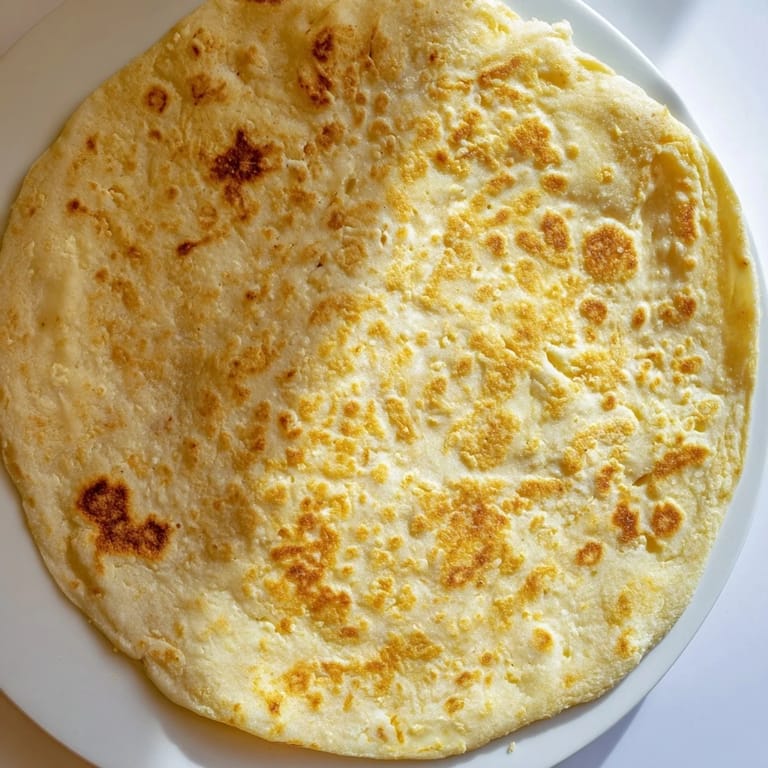
Save There's something about watching a simple dough transform into golden flatbreads that makes kitchen work feel less like a chore and more like magic. I discovered these cottage cheese flatbreads by accident one afternoon when I was trying to use up some yogurt before it expired, and I threw in a scoop of cottage cheese just to see what would happen. The result was so soft and subtly tangy that I immediately made them again, this time on purpose, and they've been a weeknight staple ever since.
I'll never forget the first time I made these for my neighbor who was stressed about hosting dinner. She watched from my kitchen counter as I flattened the dough, and by the time the first batch came off the pan still steaming, she was already asking for the recipe. She brought them to her dinner that night and hasn't stopped making them since.
Ingredients
- Plain flour: The foundation that needs just enough structure to hold everything together without becoming tough or dense.
- Greek yogurt: This is where the chew comes from, plus it adds a subtle tang that makes the flatbread taste like something special instead of just bread.
- Cottage cheese: The secret player that creates unexpected softness and a delicate crumb you won't get from any other ingredient.
- Baking powder: A small amount gives the dough just enough lift to feel light without needing yeast or hours of rising.
- Fine sea salt: Don't skip this or use table salt if you can help it—the flavor difference is real and worth noticing.
- Olive oil or melted butter: For cooking, and honestly either one works beautifully depending on what you're serving them with.
Tired of Takeout? 🥡
Get 10 meals you can make faster than delivery arrives. Seriously.
One email. No spam. Unsubscribe anytime.
Instructions
- Gather your dry ingredients:
- Mix the flour, baking powder, and salt in a large bowl so every flour particle gets a little lift from the baking powder when heat hits it.
- Bring the wet and dry together:
- Dollop in the Greek yogurt and cottage cheese and stir until you've got a shaggy, slightly sticky mess that looks like it might not work but absolutely will.
- Knead with a light hand:
- Work the dough on a floured surface for just two or three minutes until it's smooth and cooperative, adding a touch more flour only if it's truly sticky and hard to handle.
- Portion and rest briefly:
- Divide into six equal pieces, roll them into balls, and if you have two minutes, let them sit while you get your pan ready.
- Roll flat and even:
- Flatten each ball to about a quarter inch thick, dusting with flour so it doesn't stick to your rolling pin or the counter.
- Heat your pan properly:
- Medium heat is your friend here—too hot and they'll brown before cooking through, too cool and they'll be pale and slightly tough.
- Pan-fry until spotted:
- Brush the pan with a little oil or butter, then cook one or two flatbreads at a time for two to three minutes per side until you see golden spots and can smell that toasty aroma that means they're done.
- Keep them warm and soft:
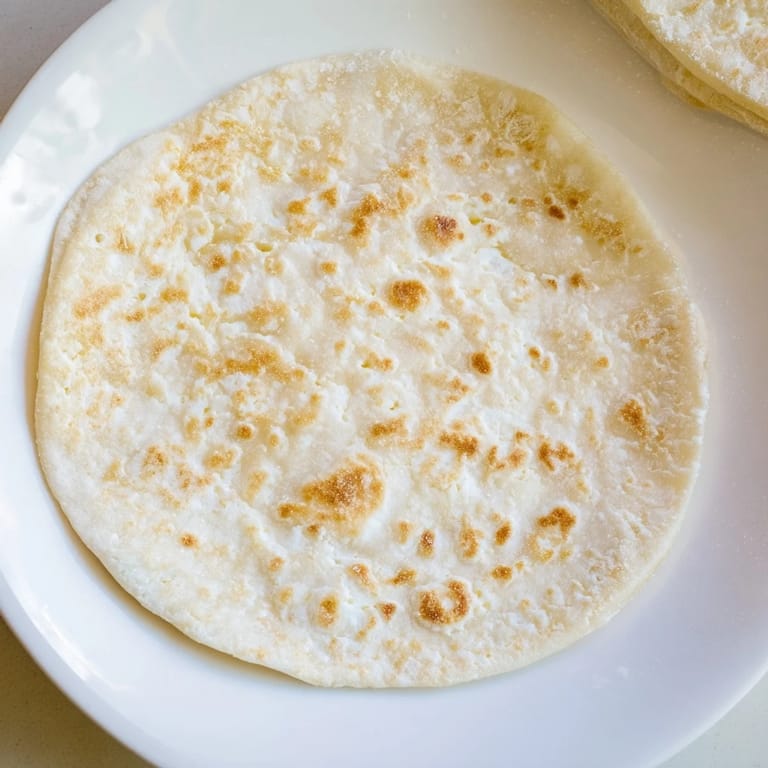
- As each batch finishes, stack them on a plate and cover with a clean kitchen towel so they stay tender and pliable.
 Save
Save The moment these became more than just a recipe was when my son started requesting them for lunch wraps, and suddenly they were part of our regular rotation instead of a one-time experiment. That's when I knew I'd found something worth keeping.
Flavor Combinations That Work Beautifully
These flatbreads are a blank canvas that embraces almost anything you throw at them. If you want to build flavor into the dough itself, stir in fresh herbs like chopped parsley, dill, or chives before you start kneading, or add minced garlic for a savory depth that pairs perfectly with hummus or roasted vegetables. You can also brush the finished flatbreads with melted garlic butter or a drizzle of good olive oil infused with dried oregano right after they come off the pan.
Storage and Make-Ahead Strategy
I've learned that these keep beautifully in an airtight container for three days, and you can refresh them in a dry skillet over medium heat for just thirty seconds per side until they're warm and pliable again. If you want to get ahead, you can prep and roll the dough balls up to eight hours in advance, cover them loosely with plastic wrap, and cook them whenever you're ready.
Why This Recipe Beats Store-Bought
Homemade flatbreads taste alive in a way that packaged versions never quite manage, and there's something deeply satisfying about finishing them from scratch in less time than it takes to heat up the oven for other breads. Once you taste the tender crumb that cottage cheese creates, you'll understand why this dough is worth keeping on repeat.
- The cottage cheese creates a softness that stays tender even the next day.
- You control the salt level and can add herbs or flavors store-bought flatbreads never offer.
- They cost a fraction of what you'd spend on specialty flatbreads, and they take barely longer to make than heating one up.
 Save
Save These flatbreads have become the quiet favorite in our kitchen, the kind of recipe you make without thinking and everyone asks for seconds. I hope they find their way into your regular rotation too.
Recipe FAQs
- → What makes these flatbreads tender?
The addition of cottage cheese and Greek yogurt adds moisture and a slight tang, resulting in a tender, chewy texture.
- → Can I add herbs to the dough?
Yes, chopped parsley, chives, or dill can be mixed into the dough to enhance the flavor naturally.
- → What cooking method is recommended?
Pan-frying in a lightly oiled nonstick or cast iron skillet gives the flatbreads golden spots and a soft crumb.
- → How should these flatbreads be stored?
Store in an airtight container and reheat gently in a dry pan to retain softness.
- → Are there common allergens to note?
Yes, the flatbreads contain wheat gluten and dairy from yogurt and cottage cheese.