 Save
Save My sister called me one Tuesday afternoon, frustrated about missing pizza night with her friends. She'd gone keto the month before and was resigned to salads while everyone else devoured their slices. So I did what I always do when someone I love hits a dietary wall—I got curious in the kitchen. That's when I discovered that cauliflower, when treated right, could become something genuinely crispy and satisfying, nothing like the limp vegetable bases I'd tried before. The first time I pulled a golden crust from the oven, I knew she had to try it immediately.
I watched my sister take that first bite at her next dinner party, skeptical until the flavors hit her tongue. Her friends, who weren't on any diet, asked for the recipe before the pizza was even gone. There's something magical about sharing food that makes everyone feel included rather than accommodated—no one felt like they were eating something "less than."
Ingredients
- 1 medium head cauliflower (about 650 g), cut into florets: This is your secret weapon; buy it fresh and cut it yourself for the best texture.
- 1 large egg: The binder that holds everything together—don't skip it or substitute unless you know exactly what you're doing.
- 60 g (½ cup) grated mozzarella cheese: Low-moisture mozzarella works best; high-moisture will make your crust soggy, something I learned the hard way.
- 30 g (¼ cup) grated Parmesan cheese: This adds sharpness and helps with browning; freshly grated makes a noticeable difference.
- ½ tsp dried oregano, ½ tsp garlic powder, ½ tsp salt, ¼ tsp freshly ground black pepper: These seasonings are mild on purpose—let your toppings be the star, not an overpowered crust.
Tired of Takeout? 🥡
Get 10 meals you can make faster than delivery arrives. Seriously.
One email. No spam. Unsubscribe anytime.
Instructions
- Prep Your Cauliflower:
- Cut your cauliflower into florets and pulse them in a food processor until they look like coarse rice—this usually takes just a minute or two. Don't over-process or you'll end up with a paste instead of distinct pieces.
- Steam Out the Water:
- Microwave the cauliflower rice in a bowl for 4 to 5 minutes until it softens and releases moisture. Let it cool for a minute, then squeeze it hard in a clean kitchen towel or cheesecloth—I mean really wring it out like you're angry at it. This step determines whether you get a crispy crust or a disappointing soggy mess.
- Mix Your Dough:
- Transfer the squeezed cauliflower to a bowl and add the egg, both cheeses, and your seasonings. Mix with your hands until it feels like a sticky, cohesive dough. Don't overmix; just make sure everything is evenly distributed.
- Shape and Bake the Base:
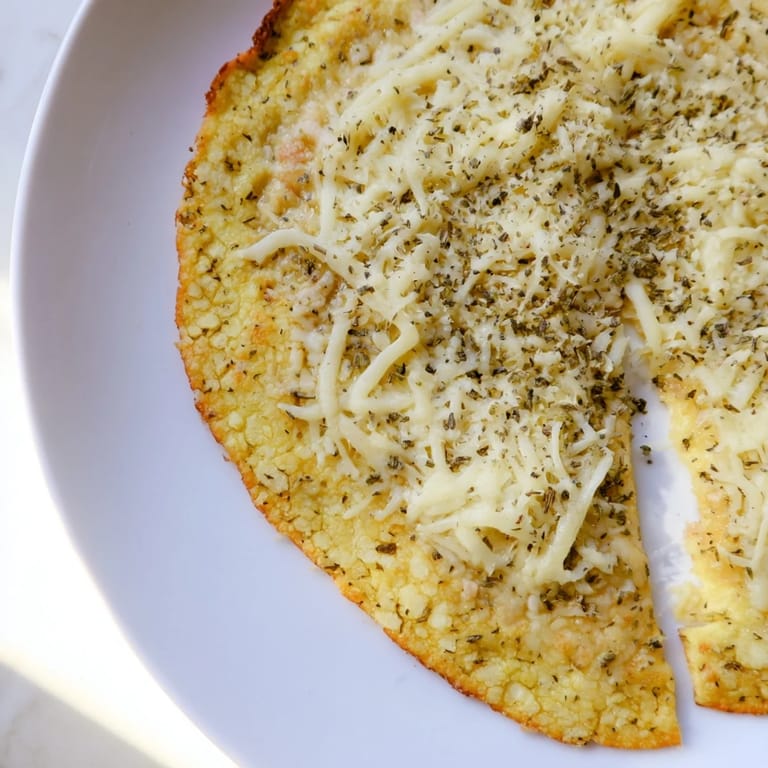
- Spread the mixture onto a parchment-lined baking sheet and press it into a crust about half an inch thick. Bake at 220°C (425°F) for 20 to 25 minutes until the edges are golden and the center feels firm when you press it lightly.
- Add Toppings and Finish:
- Once your base is set, add whatever toppings call to you—sauce, cheese, vegetables, meat—then bake for another 5 to 8 minutes until everything is melted and warm. Slice while it's hot and enjoy it the way real pizza should be enjoyed.
 Save
Save The moment that stuck with me most wasn't my sister's first taste—it was two weeks later when she texted me a photo of her making it herself for the third time. She'd stopped asking for the recipe and started owning it, adding her own touches like caramelized onions and fresh basil. That's when I realized this wasn't just about finding a low-carb workaround; it was about giving her back something she thought she'd lost.
The Secret to a Perfect Crust
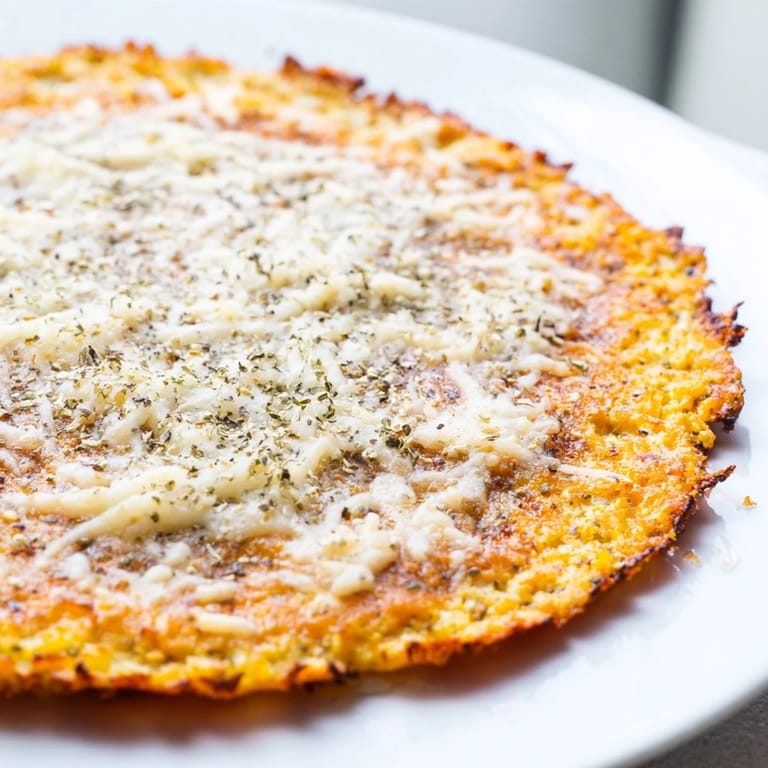
The difference between a crust that's crispy and one that's rubbery all comes down to moisture control and oven heat. Your oven needs to be genuinely hot—225°C or higher—so the outside gets color and crunch before the inside steams. I've found that baking at a slightly higher temperature than most recipes suggest gives you those caramelized edges that make it feel less like "diet food" and more like the real thing. Patience during that moisture-squeezing step pays dividends every single time.
Toppings That Work Best
Light, quality toppings let the crust shine instead of weighing it down with moisture. Tomato sauce, fresh mozzarella, roasted vegetables, and cured meats all work beautifully. Avoid anything too wet straight from the jar unless you drain it first. Think about what you'd put on a thin-crust pizza and apply the same logic here—less is often more, and every topping should earn its place.
Storage and Reheating
This pizza keeps well in the refrigerator for three days if you store it in an airtight container. Reheat it in a 180°C oven for 8 to 10 minutes to restore the crispness, or use a toaster oven if you're only warming a slice or two. The freezer works too if you wrap slices individually in parchment and foil—thaw them in the fridge before reheating for best results.
- Keep parchment paper on your baking sheet even when reheating to prevent sticking and ensure even browning.
- If your crust gets soft during storage, a quick blast in a hot oven will bring the crispness back to life.
- Leftover crust without toppings can be broken into pieces and used as pizza chips with dip the next day.
 Save
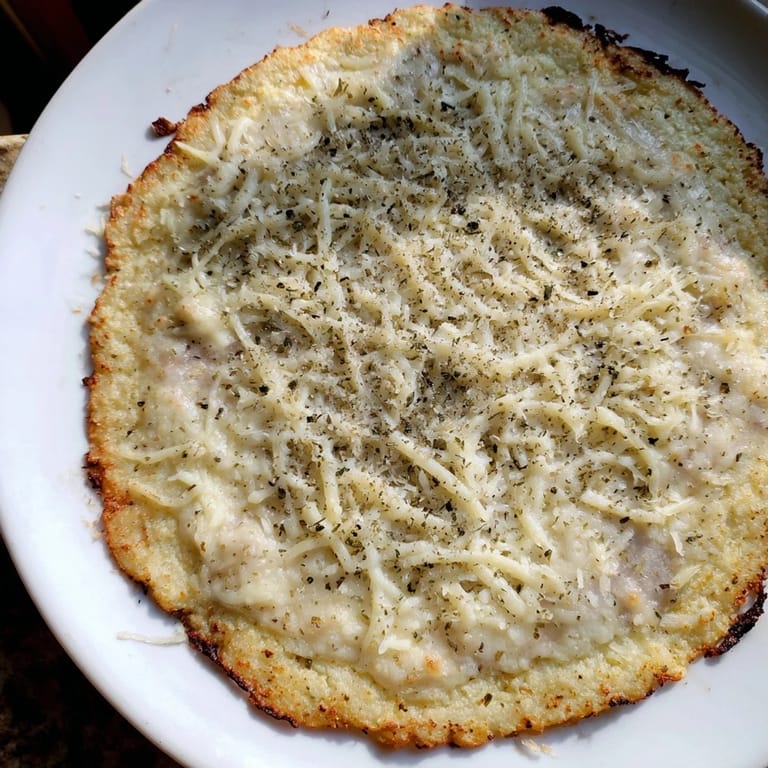
Save This crust changed the way I think about adaptations and limitations in the kitchen. It's proof that working within constraints doesn't mean settling for less—it just means getting creative enough to find something unexpectedly good.
Recipe FAQs
- → How do I prepare the cauliflower for the crust?
Grind cauliflower florets into a rice-like texture, microwave until soft, then squeeze out excess moisture using a kitchen towel to ensure a crisp base.
- → Can I make this crust vegan?
Yes, replace the egg and cheeses with suitable vegan alternatives to maintain texture and flavor.
- → What baking temperature is best for the crust?
Bake at 220°C (425°F) for 20–25 minutes until the crust is golden and firm before adding toppings.
- → How do the cheeses affect the texture?
Mozzarella and Parmesan provide moisture, binding, and a rich flavor that helps the crust hold together crisply.
- → What are good topping suggestions?
Use tomato sauce, grated cheese, fresh vegetables, or cooked meats to complement the mild cauliflower base.