 Save
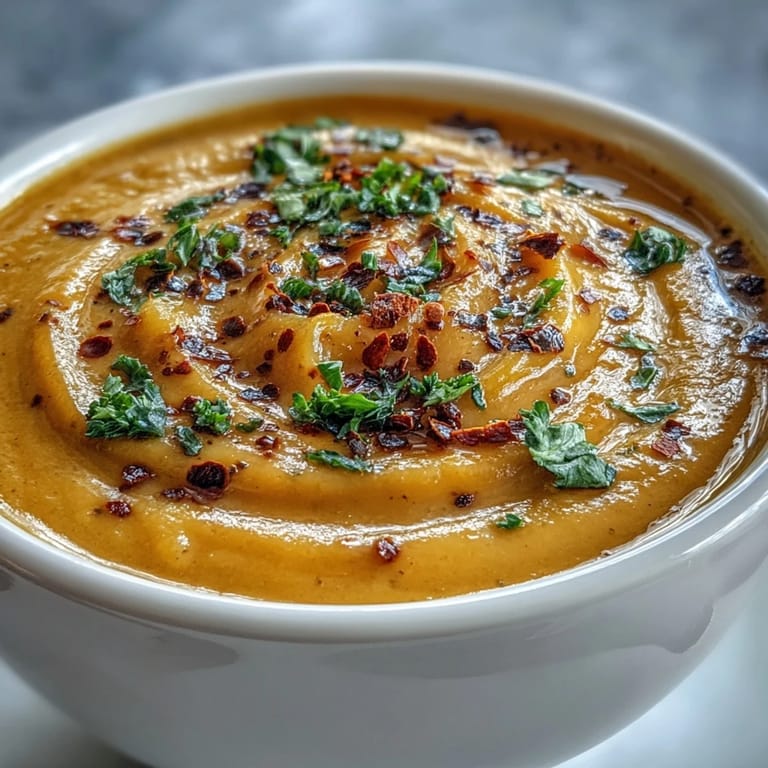
Save The first time I made butternut squash broccoli cheddar soup was during an unexpectedly early autumn cold snap that caught our household by surprise. With windows rattling against the wind and my favorite wool socks on my feet, I turned to the squash sitting on the counter and broccoli in the crisper drawer. The kitchen smelled like roasting vegetables and comfort as I stirred the pot, watching steam rise and curl around the wooden spoon like memories taking shape.
Last winter, my neighbor knocked on the door after her pipes froze, and I invited her in while waiting for the plumber. I hadnt planned on company, but ladled this soup into two mugs, and we stood by the window watching snow fall. She asked for the recipe before leaving, saying the smoky paprika reminded her of her grandmothers cooking, and now its become our little neighborhood tradition when the temperature drops below freezing.
Ingredients
- Butternut squash: Look for one with a matte rather than glossy skin, which indicates its perfectly ripe and will give you that sweet, nutty flavor that forms the base of this soup.
- Broccoli: Dont toss those stems, they contain so much flavor, just peel the woody exterior and dice them to roast alongside the florets.
- Sharp cheddar cheese: After making this twenty different ways, I found that aged cheddar gives the richest flavor without getting lost in the vegetables, just make sure to grate it yourself rather than buying pre-shredded for the smoothest melt.
- Smoked paprika: This unassuming spice works like magic here, creating depth that people cant quite identify but always comment on.
- Unsalted butter: I learned the hard way that salted butter can make the final soup too salty once the cheese is added, so unsalted gives you better control.
Tired of Takeout? 🥡
Get 10 meals you can make faster than delivery arrives. Seriously.
One email. No spam. Unsubscribe anytime.
Instructions
- Roast the vegetables:
- Preheat your oven to 425°F and toss those butternut cubes and broccoli florets with olive oil, salt and pepper before spreading them on a baking sheet. The kitchen will start filling with the most amazing aroma as they roast for about 25-30 minutes, until the edges turn golden brown and slightly crispy.
- Build the flavor base:
- Melt butter in a large pot and add diced onion, cooking until it becomes translucent and soft. When you add the garlic, youll immediately notice that wonderful fragrant sizzle that signals good things are happening.
- Combine and simmer:
- Add those beautiful roasted vegetables to the pot along with broth, water, and seasonings. Let everything get acquainted over a gentle simmer for about 10 minutes, allowing the flavors to deepen and meld together.
- Blend to perfection:
- This is my favorite part – watching the chunky vegetables transform into silky smoothness with an immersion blender. If youre using a regular blender, be careful with the hot liquid and work in batches for safety.
- Create creaminess:
- Stir in the milk and watch the color lighten to a gorgeous golden hue. Add the cheese handful by handful, stirring constantly so it melts evenly throughout without clumping or sticking to the bottom.
 Save
Save  Save
Save One rainy Tuesday, my daughter came home from school looking defeated after a tough math test. Words werent helping, but this soup somehow did the trick. We sat at the counter, steam fogging up her glasses as she dipped crusty bread into the bowl, and by the second helping, she was telling me about the one problem she knew shed solved correctly. Something about the warmth and comfort of this particular soup seems to loosen knots of all kinds.
Texture Tips
The perfect consistency of this soup depends on how you blend it. I discovered through trial and error that blending in stages works best – start with short pulses to break down the larger pieces, then blend continuously for about 30-45 seconds for silky smoothness. If you prefer some texture, reserve a small portion of the roasted vegetables before blending and fold them back in at the end for delightful little bursts of roasted goodness in each spoonful.
Make It Ahead
This soup actually improves with time as the flavors continue to develop. I often make a double batch on Sunday afternoons, enjoying some that evening and storing the rest for weekday lunches. The soup keeps beautifully in the refrigerator for up to four days, though youll notice it thickens considerably when chilled. When reheating, add a splash of broth or milk to bring it back to your desired consistency, and warm it gently over medium-low heat, stirring occasionally to prevent scorching on the bottom of the pan.
Serving Suggestions
While this soup is certainly satisfying on its own, I love creating little soup stations when friends come over. Setting out small bowls of toppings transforms a simple meal into something interactive and special, giving everyone the chance to customize their experience. The way people build their bowls says so much about them – my brother always piles on extra cheese while my friend Sara goes for all the herbs.
- Try topping with roasted pepitas or sunflower seeds for a wonderful crunchy contrast to the creaminess.
- A drizzle of good olive oil just before serving adds a luxurious finish and beautiful sheen to each bowl.
- For those who enjoy heat, a few drops of hot sauce or a sprinkle of red pepper flakes wakes up all the flavors in an unexpected way.
 Save
Save  Save
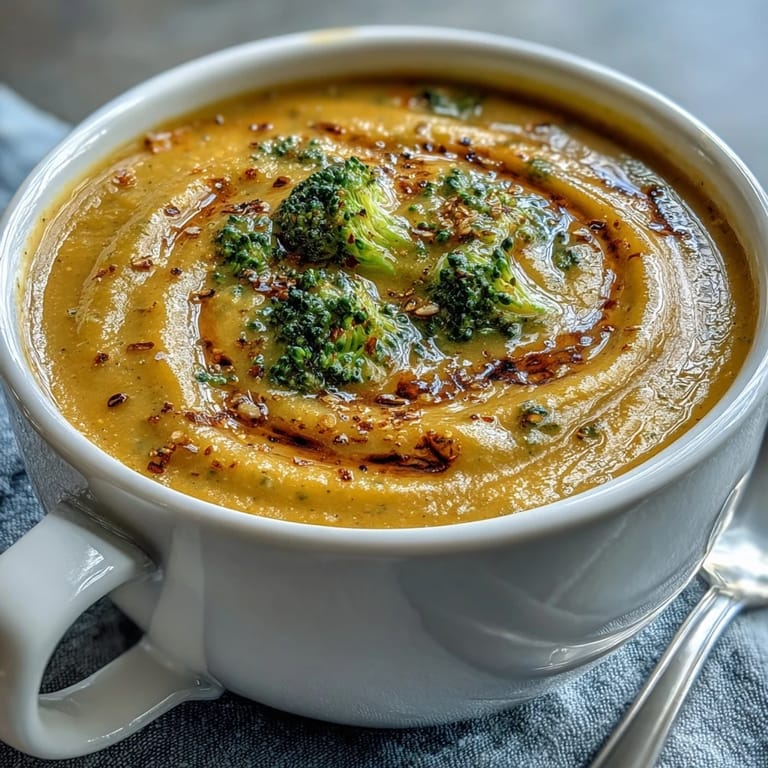
Save This butternut squash broccoli cheddar soup has become more than just a recipe in my household – its become a signal, a tradition, a comfort. Each time I make it, Im reminded of how food connects us not just to our hunger, but to each other.
Recipe FAQs
- → Can I make this soup ahead of time?
Absolutely. This soup reheats beautifully and often tastes better the next day as flavors meld. Store in an airtight container in the refrigerator for up to 4 days. Reheat gently over medium-low heat, adding a splash of milk or broth if needed to restore consistency.
- → What can I substitute for cheddar cheese?
Gruyère offers a nutty, sophisticated alternative while Swiss provides a milder flavor. For a dairy-free version, use vegan cheddar shreds or nutritional yeast for cheesy depth. The key is choosing a cheese that melts smoothly without becoming grainy.
- → How do I achieve the smoothest texture?
Roasting vegetables before blending concentrates their natural sugars for deeper flavor. Use an immersion blender directly in the pot for convenience, or work in batches with a countertop blender—just be careful with hot liquids. For extra silkiness, strain through a fine-mesh sieve after blending.
- → Can I freeze this soup?
Yes, though the texture may change slightly. Freeze without the cheese for best results—add shredded cheddar when reheating. Portion into freezer-safe containers, leaving space for expansion. Thaw overnight in the refrigerator before gently reheating.
- → What adjustments make this vegan?
Replace whole milk with unsweetened oat, cashew, or coconut milk for creaminess. Use vegan cheddar shreds or nutritional yeast for cheesy flavor. Swap butter for olive oil or coconut oil. The roasting step remains crucial for developing depth in the plant-based version.
- → How can I make this soup thicker or thinner?
For a thicker consistency, reduce the broth by half a cup or add a peeled potato during roasting. To thin, simply add more broth or milk until reaching desired texture. Remember the soup will thicken slightly as it cools, so adjust seasoning after reheating.