 Save
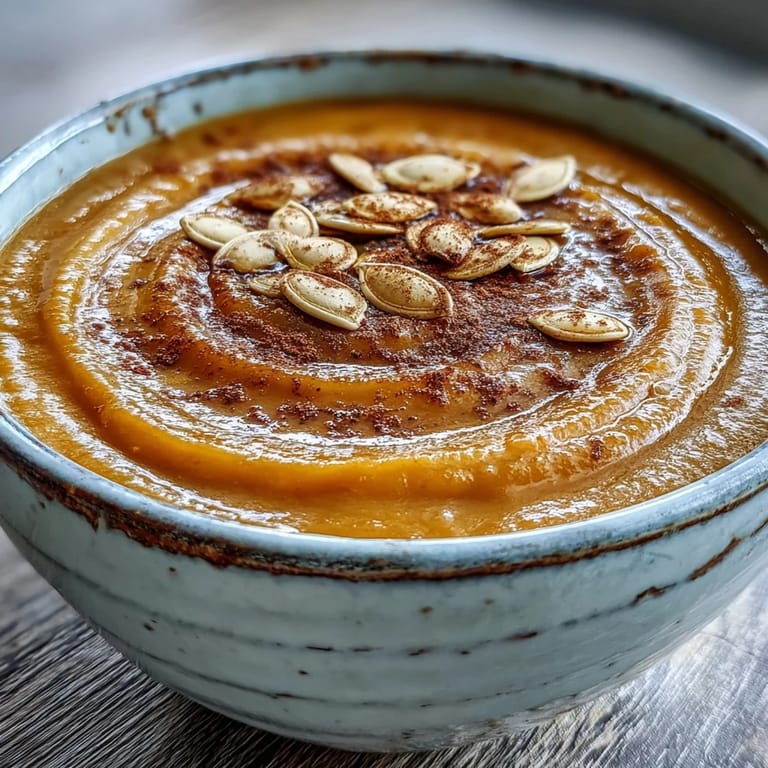
Save The first time I made butternut squash and apple soup was during an unexpected autumn cold snap. Rain tapped against the kitchen windows as I peeled the squash, my hands briefly stained orange from its flesh. The kitchen filled with cinnamon-scented steam that fogged the windows, creating a cozy barrier between our home and the darkening afternoon outside. Something about the combination of sweet squash and tart apples made the whole kitchen feel like a warm embrace.
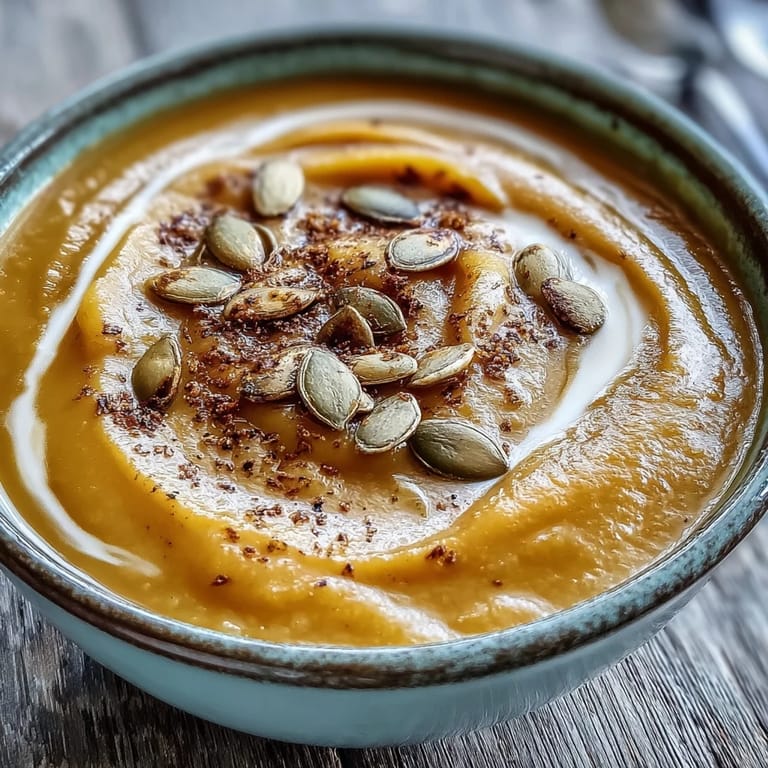
Last October, my neighbor dropped by unexpectedly just as I was ladling this soup into bowls. The rich amber color caught her eye immediately, and she stayed for an impromptu dinner. We sat watching leaves swirl outside, warming our hands on soup bowls, conversation flowing easily between sips. She left with the recipe written on the back of a grocery receipt and texted me a photo of her version the very next week.
Ingredients
- Butternut squash: Look for one with a matte, not glossy, skin which indicates its properly ripened and will have that perfect natural sweetness.
- Apples: Granny Smiths provide a bright tartness that balances the squash, but Honeycrisps offer a lovely sweetness if you prefer a less tangy soup.
- Apple cider: Not to be confused with apple juice, good cider has a more complex flavor that really amplifies the apple notes in the soup.
- Ground cinnamon and nutmeg: Fresh-grated nutmeg makes a world of difference if you have a microplane and whole nutmeg on hand.
- Vegetable broth: The backbone of the soup, so use the best quality you can find, or better yet, homemade if you have it.
Tired of Takeout? 🥡
Get 10 meals you can make faster than delivery arrives. Seriously.
One email. No spam. Unsubscribe anytime.
Instructions
- Soften the aromatics:
- Heat your olive oil until it shimmers slightly, then add the diced onions and minced garlic. You want them to become translucent and fragrant but not browned.
- Build the foundation:
- When you add the butternut squash and apples, listen for that satisfying sizzle as they hit the hot pot. Give everything a good stir so the pieces get lightly coated in the aromatic oil.
- Bloom the spices:
- Sprinkling the cinnamon and nutmeg directly onto the hot vegetables releases their essential oils. You should immediately smell their warmth rising from the pot.
- Simmer to tenderness:
- As the soup simmers, occasionally press a piece of squash against the side of the pot with a wooden spoon. When it yields easily, almost collapsing, its ready for blending.
- Create silky smoothness:
- If using an immersion blender, start with it fully submerged and slowly move it up and down through the soup. For a countertop blender, fill it only halfway per batch and place a kitchen towel over the lid as hot liquids expand.
- Final touches:
- Just before serving, taste once more and adjust seasonings. Sometimes a little extra salt or a squeeze of lemon juice brightens everything perfectly.
 Save
Save  Save
Save During a particularly hectic holiday season, I made a triple batch of this soup and froze it in individual portions. On a night when I was too exhausted to cook, finding this golden comfort food waiting in the freezer felt like a gift from my past self. I sat at the kitchen counter, steam rising from the bowl, and felt the day's tension melt away with each spoonful, reminding me why simple food made with care matters so much.
Seasonal Variations
In late summer when butternut squash first appears at farmers markets, I like to garnish this soup with a few fresh basil leaves instead of thyme for a brighter flavor profile. During winter holidays, I sometimes add a cinnamon stick and star anise to the simmering stage, removing them before blending for a subtle warmth that complements festive meals. Come spring, when stored squash might be less flavorful, a tablespoon of maple syrup can restore balance to the soup.
Serving Suggestions
The soup makes an elegant first course served in small cups rather than bowls, perhaps with a tiny sprig of thyme floating on top for dinner parties. For a complete meal, I love pairing it with a hearty grain salad or a grilled cheese sandwich made with sharp cheddar and thinly sliced apples. When serving as a main dish, consider a drizzle of good olive oil and a sprinkle of flaky sea salt just before bringing it to the table.
Storage and Make-Ahead Tips
This soup actually improves with a day or two in the refrigerator as the flavors meld together, making it perfect for meal prep or planning ahead for gatherings. When reheating, do so gently over medium-low heat, stirring occasionally to prevent any scorching at the bottom of the pot.
- Refrigerate in an airtight container for up to 4 days, letting it cool completely before storing.
- Freeze flat in ziplock bags for efficient freezer storage and quicker thawing, marking the date with a permanent marker.
- If the soup separates slightly after thawing, a quick whisk while reheating will restore its creamy consistency.
 Save
Save 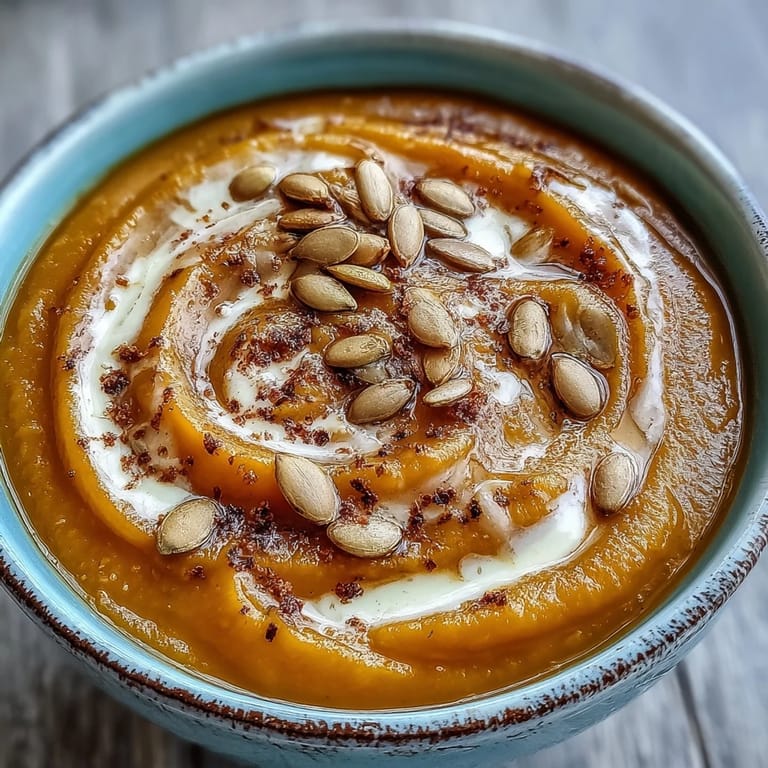 Save
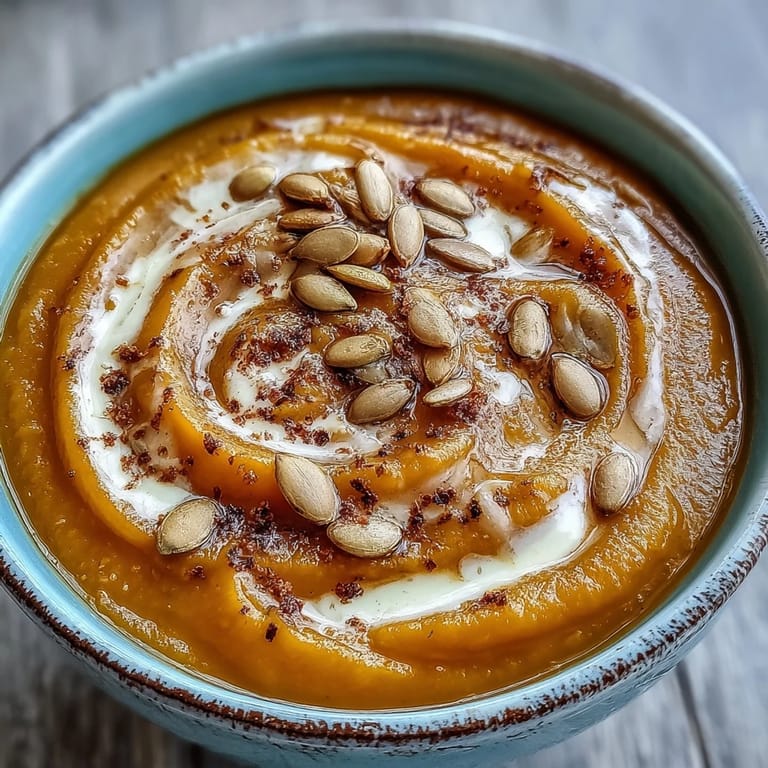
Save This butternut squash and apple soup has become my autumn tradition, marking the seasonal shift as surely as the changing leaves. Each year I find myself returning to it like an old friend, sometimes with small variations, but always with the same comforting result.
Recipe FAQs
- → Can I make this soup ahead of time?
Yes, this soup actually tastes better the next day as flavors meld together. Store in an airtight container in the refrigerator for up to 4 days or freeze for 3 months.
- → What type of apples work best?
Granny Smith provides tartness to balance the sweet squash, while Honeycrisp or Fuji offer natural sweetness. Either choice creates delicious results.
- → How do I achieve the smoothest texture?
Blend thoroughly using an immersion blender or countertop blender. For extra silkiness, strain through a fine-mesh sieve after blending.
- → Can I roast the vegetables first?
Absolutely! Roasting squash and apples at 400°F for 25 minutes before simmering adds caramelized depth and intensifies the natural sweetness.
- → What can I substitute for apple cider?
White wine, additional vegetable broth, or pear juice all work well. Each brings a slightly different flavor profile while maintaining the soup's balance.