 Save
Save The first time I built a cheese board with intention rather than just throwing things on a platter, I was standing in my kitchen at dusk, thinking about how my favorite meals always have some kind of dialogue happening—bitter against sweet, creamy against sharp. That's when the yin-yang idea arrived, not from some fancy cookbook but from the way blackberries looked catching the light, and how naturally they could divide a board into two conversations. I wanted to create something that didn't just feed people but made them pause and notice the balance.
I made this for a dinner party where someone had just moved into a new apartment, and the whole vibe felt like a new beginning. When I set it down in the center of the table, everyone just stopped and looked before anyone touched anything. My friend reached for a piece of aged Gouda on the dark side, then immediately switched to the goat cheese on the light side, and said something like 'it's like the board is telling you a story.' That moment made me realize it wasn't really about the cheese at all—it was about creating a reason to be intentional with how we eat together.
Ingredients
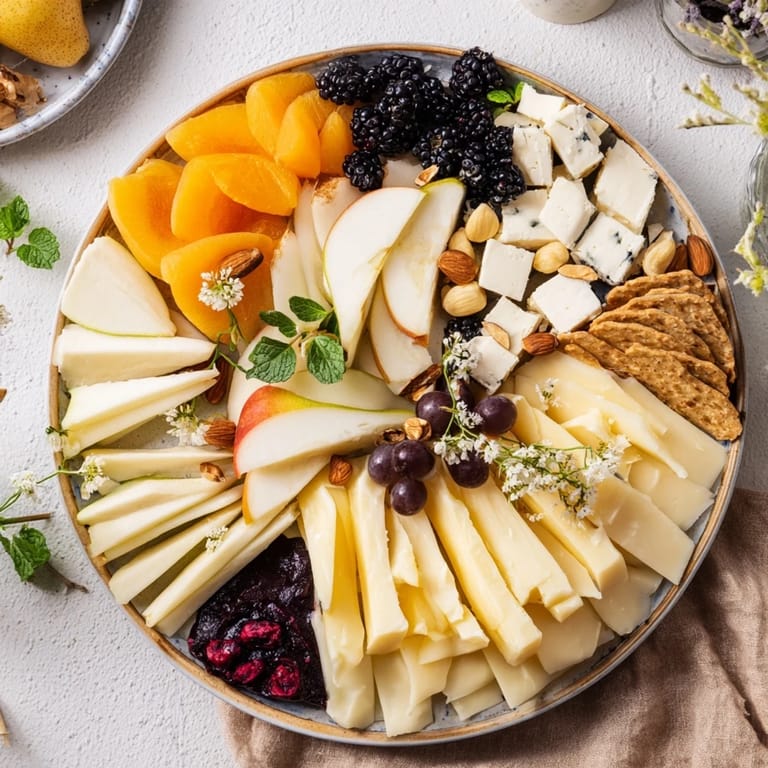
- Fresh blackberries (150 g): These are your dividing line, and they need to be ripe enough to stay put but firm enough not to roll everywhere—taste one first to make sure they're actually sweet, because a mealy blackberry ruins the whole energy.
- Goat cheese and young Manchego or white cheddar (light side): The goat cheese should be creamy enough to spread but not so soft it collapses when you cut it; the young cheese brings brightness and a slight tang without heaviness.
- Aged blue cheese and aged Gouda or sharp cheddar (dark side): These are your anchors, the flavors that make people say 'wow'—the funk and depth on this side should feel like a complete opposite from the other.
- Pear and black plum slices: Slice them just before serving so they don't oxidize and turn brown; thin slices look more elegant and prevent the board from looking too heavy.
- Grapes (white and red or black): Buy them in little clusters if you can find them—they look more finished and guests can just pop them in their mouth.
- Almonds and roasted hazelnuts (30 g each): The raw almonds stay bright and slightly sweet on the light side; the roasted hazelnuts bring earthiness and a deeper flavor to the dark side.
- Rice crackers and dark rye crisps or seeded crackers: Pick crackers that feel sturdy enough to hold cheese without shattering, and choose colors that actually contrast—pale versus dark matters here.
- Fresh mint leaves and edible flowers: These are optional but they catch the light and remind people this is a deliberate creation, not just snacks.
Tired of Takeout? 🥡
Get 10 meals you can make faster than delivery arrives. Seriously.
One email. No spam. Unsubscribe anytime.
Instructions
- Choose your canvas:
- Use a large round serving board—wood or slate work beautifully, but a large ceramic plate works too. Round boards feel more balanced for this concept than rectangular ones.
- Create the dividing line:
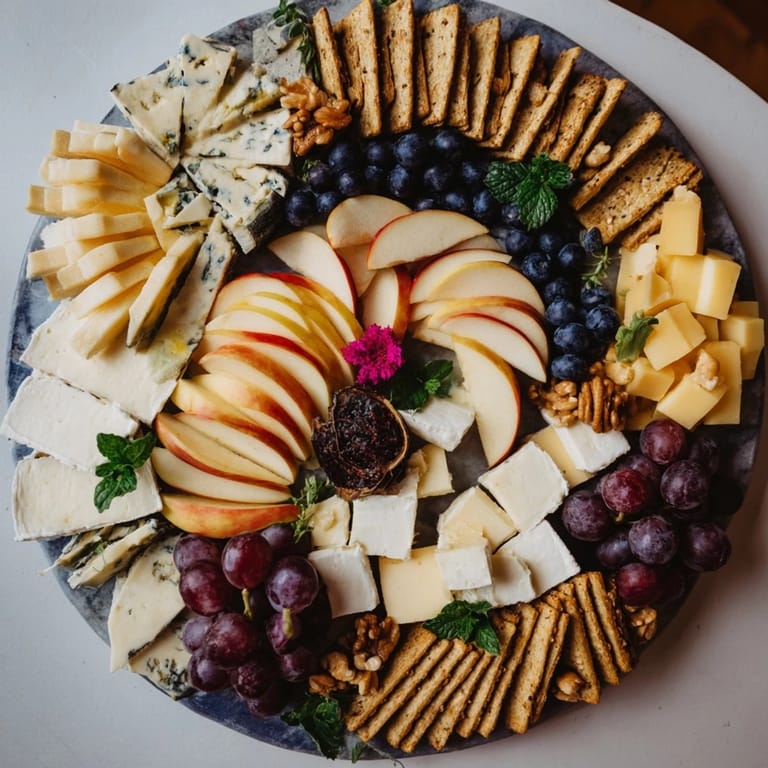
- Arrange the blackberries in a gentle curve across the center, like an S shape, before you add anything else. Step back and look—it should feel like it's dividing the board into two distinct halves.
- Build the light side:
- Start with the cheeses, arranged with a little breathing room between pieces so they don't look crowded. Add pear slices, white grapes, almonds, and light crackers in a way that feels natural, not too geometric—trust your eye.
- Build the dark side:
- Mirror the light side's arrangement but with darker, more intense flavors. The aged blue should have its own little territory, and the hazelnuts should be visible enough that people notice they're different from the almonds.
- Finish with garnish:
- Scatter mint leaves and edible flowers across both sides if you have them—they add a final touch of intentionality and freshness that grounds the whole thing.
- Serve right away:
- Bring it to the table while everything is at its best, and let people discover the balance as they eat.
 Save
Save What stuck with me most was watching my partner's mom take her time looking at both sides before choosing, like she was actually considering the philosophy of it. She picked a piece from each side and ate them together, and that's when I knew the yin-yang thing had worked—it wasn't decoration, it was an actual suggestion for how to experience the flavors.
The Art of Pairing Flavors
The beauty of this board is that it teaches you something about balance through taste. The light side whispers—soft, fresh, clean notes that make you want to keep eating because nothing overwhelms you. The dark side speaks louder—funk, depth, and umami that demand respect and a little water between bites. When you eat them in sequence or together, you understand how opposite things can actually complement each other perfectly. This is why the plating matters; it's not just pretty for the sake of being pretty, it's a visual language that says 'try both sides, then decide which you prefer, then realize you love them together more.'
Seasonal Swaps and Variations
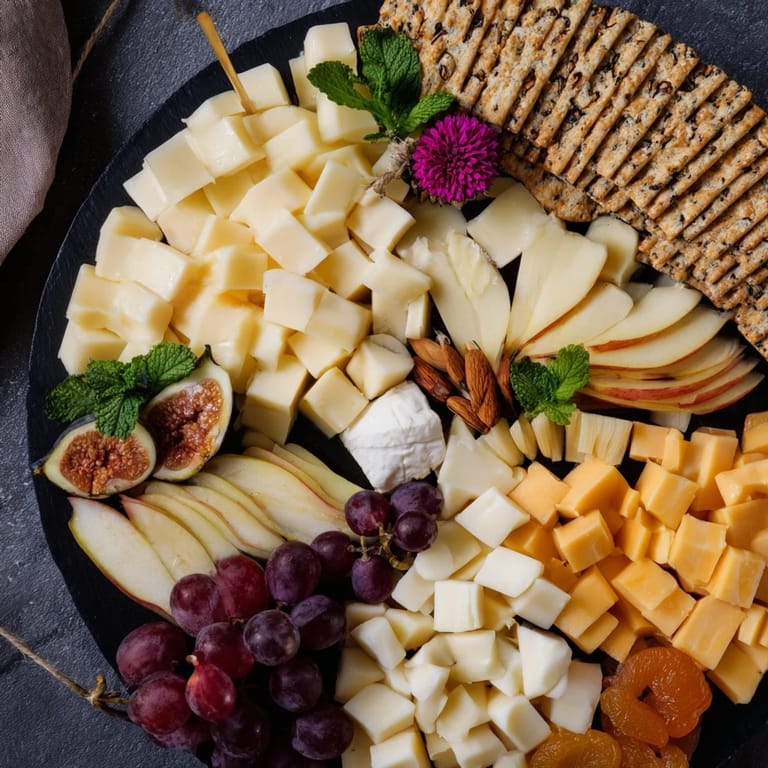
The moment I started treating this board as a template instead of a fixed recipe, it became something I'd make over and over. In summer, I use crisp stone fruits and skip the heavier blue cheese for something creamier. In fall, fig jam goes on the dark side and apples replace pears. Winter calls for dried apricots and maybe a white chocolate chunk tucked somewhere, and spring is all about fresh berries beyond just blackberries. The blackberry line is the only non-negotiable—it's the whole concept—but everything else can shift with what's good right now.
Making It Your Own
The first few times you make this, follow the light and dark structure so you understand how the contrast works. After that, remix it completely—maybe you prefer different cheeses, or you want to add honey drizzle, or you think fresh figs belong on both sides. The yin-yang shape keeps it intentional and elegant no matter what you fill it with. The philosophy is what matters: balance, contrast, and the invitation for people to notice what they're tasting.
- If you can't find blackberries, a thin line of beets or pomegranate arils creates a similar visual divide and tastes interesting too.
- Make the board just before people arrive so the pear and plum don't brown and everything tastes fresh and thoughtful.
- Let the curve of blackberries be imperfect—it makes the whole thing feel more human and less like you're trying too hard.
 Save
Save Every time someone eats from both sides of this board, they're participating in something a little more thoughtful than just snacking. That's the whole point.
Recipe FAQs
- → How do I create the yin-yang separation on the board?
Arrange fresh blackberries in a curved line across the center of the board to mimic the yin-yang divide, separating light and dark elements.
- → What cheeses work best for each side?
Use mild cheeses like goat cheese and young Manchego on the light side, and aged blue and Gouda for a richer flavor on the dark side.
- → Can I substitute fruits or nuts in this arrangement?
Yes. Seasonal fruits or preferred nuts can easily replace those listed, maintaining balance and complementary flavors.
- → What crackers pair well with this board?
Light-colored crackers complement the light side, while dark rye crisps or seeded crackers enhance the dark side's flavor profile.
- → How can I add visual appeal to the board?
Incorporate fresh mint leaves and edible flowers for touches of greenery and vibrant color to enhance presentation.