 Save
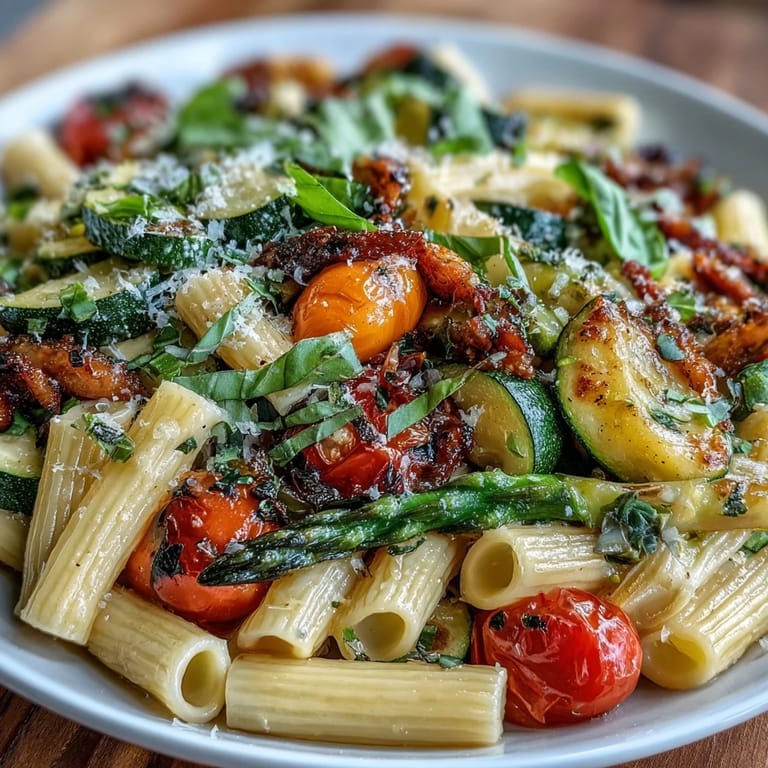
Save The sound of pasta bubbling away mingled with the sunshine pouring through my kitchen window that afternoon, and it was impossible not to smile as I chopped the vibrant veggies for Spring Pasta Primavera. The veggies snapped crisply under my knife, and the lemony scent from zesting lingered on my fingers. It wasn’t a planned occasion—just a Tuesday, but everything felt a little brighter as I gathered the freshest produce from the local market. Each ingredient promised something lively: zucchini’s cool crunch, basil’s fragrant lift, and asparagus hinting at longer days ahead. I never realized how much joy a medley of colors could bring until I tossed them all into the bowl.
One Saturday, I cooked this primavera for friends after a hike—mud on our boots, veggies from the farmer’s stand still in our backpacks. We laughed about our poor attempts at asparagus picking, and the kitchen felt warm with conversation and the clatter of plates. The pasta disappeared within minutes; everyone wanted seconds, and I barely had time to grate extra Parmesan. It was proof that something simple, fresh, and hearty can create memories just as colorful as the dish itself.
Ingredients
- Pasta: Penne or farfalle hold the sauce beautifully and keep the bites playful; always salt your water for flavor.
- Zucchini & Yellow Squash: Slice these in half-moons for even cooking and tender texture, but don’t overcook—they’re best slightly crisp.
- Asparagus: Trim the tough ends and cut into pieces for easy forkfuls; these give a grassy freshness to the mix.
- Cherry Tomatoes: Halve them so their juices sweeten and mingle gently—avoid squishing, just let them soften.
- Red Bell Pepper: Thin slices add crunch and a pop of color; pick a bright, shiny one for extra sweetness.
- Peas: Fresh peas stay firm and pop, but frozen work well if thawed just before tossing in.
- Garlic & Shallot: Mince these finely so their flavor melts into the oil without overpowering the veggies.
- Basil, Parsley & Lemon: Herbs and citrus bring brightness; zest the lemon gently so only the yellow part comes off.
- Olive Oil: The base of your sauce—use extra virgin for the best aroma and richness; drizzle at the end for silkiness.
- Parmesan Cheese: A generous grating adds savory depth; more on top never hurts!
- Salt, Pepper & Red Pepper Flakes: Season gently and taste as you go—the flakes add a tiny bit of spark if you’re in the mood.
Tired of Takeout? 🥡
Get 10 meals you can make faster than delivery arrives. Seriously.
One email. No spam. Unsubscribe anytime.
Instructions
- Cook the Pasta:
- Fill your largest pot with water, bring to a lively boil, and drop in the pasta, stirring regularly until it’s tender but still has bounce. Don’t forget to scoop out some cooking water before draining—it’ll make your sauce shine later.
- Sauté Aromatics:
- Add olive oil to your skillet, and listen for the sizzle as garlic and shallot hit the heat. Stir just briefly—when their aroma floats up, you know it’s time to move on.
- Add Crunchy Veg:
- Tip in the zucchini, squash, asparagus, and bell pepper, letting their colors brighten as you stir. Cook until they’re just yielding, still holding their shape and vigor.
- Add Softer Veg & Peas:
- Cherry tomatoes and peas join the party, their sweetness rounding out the flavors. Stir until tomatoes look jammy and peas glisten.
- Combine Pasta & Veggies:
- Add your cooked pasta to the skillet, tossing gently so every piece mingles with the vegetables. It’s a big, happy crowd in the pan now.
- Add Sauce & Herbs:
- Pour in the reserved pasta water, lemon zest, juice, chopped herbs, and finish with another splash of olive oil. Sprinkle salt, pepper, and red pepper flakes as you taste for balance.
- Finish with Parmesan:
- Remove from heat and mix in the Parmesan until creamy, then pile onto plates and scatter more cheese and herbs if you like.
 Save
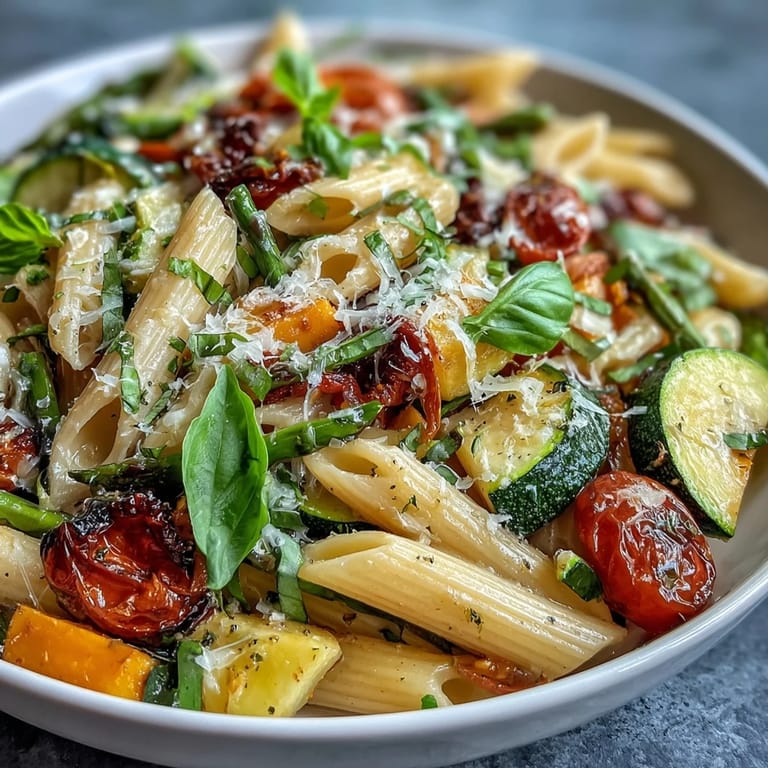
Save The day my little cousin asked for seconds—her picky palate replaced by giggles as she hunted the brightest peas in her bowl—was when primavera became more than dinner. The plate became a promise that spring dishes could be joyful and inviting, even to a skeptical kid.
Choosing Your Veggies for Maximum Flavor
Use whatever is freshest and brightest at your market, since the best flavor comes from peak season veggies. Don’t be afraid to swap in snap peas or baby spinach if you see them—they blend right in and keep things interesting. Try slicing all veggies to similar sizes so everything cooks evenly, and the colors stay vibrant. Sometimes I throw in an extra handful of basil if it’s abundant, for even more fragrance. Seasonal tweaks help keep this recipe feeling new every time you make it.
Perfect Herb Combinations
A good handful of basil and parsley is my go-to, but sometimes I toss in a sprig of mint for extra lift—especially if the day is warm. Timing matters: add most herbs just at the end so their aroma stays bold. If you love a sharper taste, try chives or even tarragon, but always taste to avoid overpowering the vegetables. Lemon zest scattered over everything gives a gentle brightness, tying the herbal notes together. The right mix turns a simple pasta into something unexpectedly lively.
Bringing It All Together for Dinner
Once the pasta and veggies meet, spoon everything onto a warm serving dish so the flavors meld as it sits. I sometimes serve family style so everyone can grab their favorite colors, and it encourages conversation at the table. The finishing touch—Parmesan and fresh herbs—makes it feel celebratory, even on a plain weeknight. If you like, save some lemon slices for a tangy squeeze at the table.
- If your sauce looks dry, a splash more pasta water fixes it.
- Keep veggies slightly firm for the best texture.
- Fresh herbs on top add brightness just before serving.
 Save
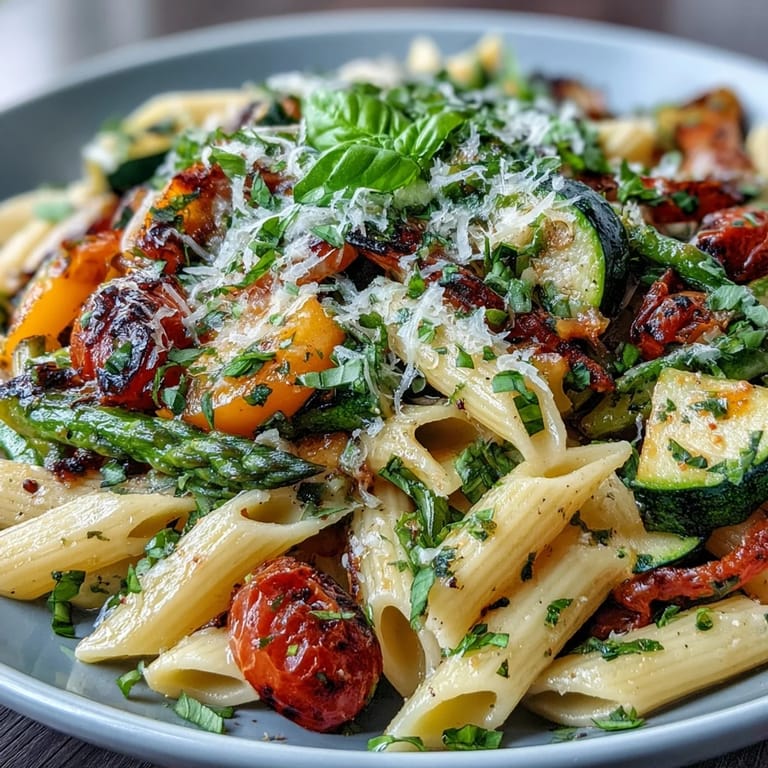
Save Cooking this pasta feels like bringing spring to the table. Share it with friends—or treat yourself—and you might find that the colors and flavors are enough to lift even a cloudy afternoon.
Recipe FAQs
- → What pasta types work best?
Penne or farfalle are recommended for their shape and ability to hold sauce and vegetables well.
- → Can other vegetables be used?
Yes, snap peas, baby spinach, or other spring vegetables add flavor and color to the dish.
- → How to make it vegan?
Replace Parmesan cheese with a plant-based alternative or simply omit it for a dairy-free option.
- → What herbs are most flavorful?
Basil and parsley provide freshness, while a hint of lemon zest and juice brightens the overall taste.
- → Which wine pairs best?
A crisp Pinot Grigio or Sauvignon Blanc complements the light, herbaceous flavors of the pasta and veggies.