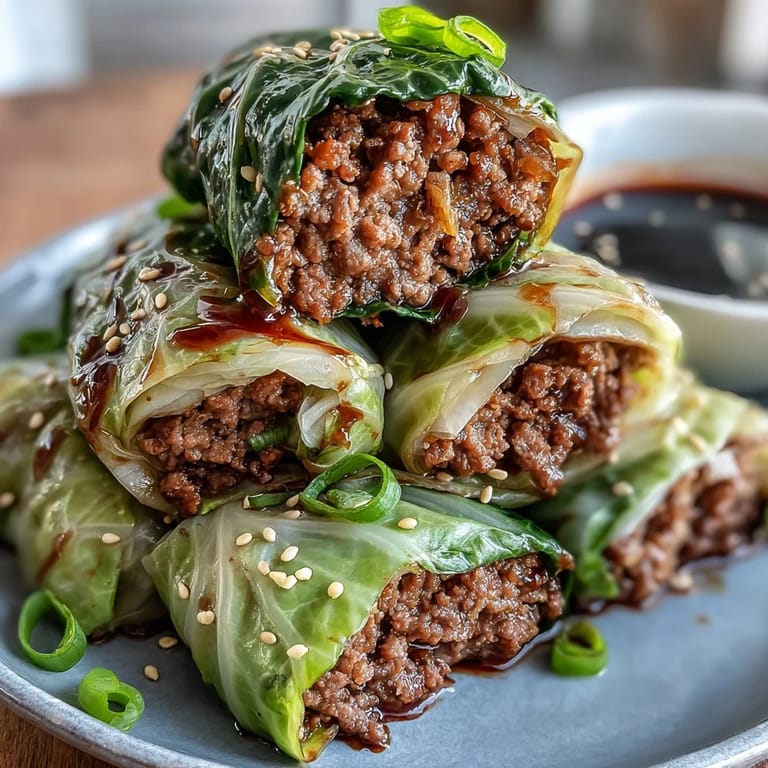
 Save
Save There’s a lively hiss that fills my kitchen whenever I blanch Napa cabbage, and it instantly reminds me of winter weekends when I’d try new recipes just to warm up the place. Cabbage rolls became a curious experiment one chilly afternoon, punctuated by the ginger’s sweet aroma and the spicy promise of gochujang. I remember sneaking bits of filling for “quality control” and realizing how every taste hinted at something bold yet comforting. The first time the rolls steamed, my windows fogged up, making me feel cocooned right alongside them. That savory dipping sauce was improvised out of necessity, after discovering I’d run out of soy — and never looked back.
Once, I made these for a friend’s birthday dinner, rolling cabbage leaves while we traded stories about clumsy cooking mishaps. My hands stayed busy; our laughter grew louder, and we both kept returning to the steamy kitchen just to “test” the rolls. There was a moment when we realized we’d eaten nearly half the tray before guests had even arrived. That batch, imperfect in shape but rich in flavor, became a running joke and a new ritual whenever one of us feels homesick for something hearty. It taught me that some of the best dishes aren’t ones you serve, but ones you share standing by the stove.
Ingredients
- Napa cabbage: Its broad, tender leaves roll without tearing—if possible, choose one with crisp, unblemished outer leaves.
- Ground beef: I’ve found a lean-to-medium blend gives enough flavor without making the rolls greasy.
- Green onions: These sharpen up the filling—use both white and green parts for more punch.
- Garlic: Mince it fresh and don’t be afraid to use a little extra if you love bold flavors.
- Carrot: Grated finely, it melts into the mixture and hints at sweetness.
- Fresh ginger: Grate it just before using for that warm, spicy kick.
- Gochujang: This paste makes the rolls unmistakably Korean—start with less if you’re spicy-shy.
- Soy sauce: Adds saltiness—use a low-sodium kind if you want softer flavor.
- Sesame oil: One drizzle in the filling and another in the sauce deepens every bite.
- Sugar: Just a touch balances out the spice perfectly.
- Black pepper: A gentle heat that sneaks up after each bite.
- Toasted sesame seeds: Not just garnish! They give a real nutty crunch and aroma.
- Rice vinegar: Lifts up the dip, making it zesty.
- Gochugaru: These chili flakes let you control the sauce’s heat; add just a sprinkle at first.
- Honey: The subtle sweetness ties the dipping sauce together.
Tired of Takeout? 🥡
Get 10 meals you can make faster than delivery arrives. Seriously.
One email. No spam. Unsubscribe anytime.
Instructions
- Prep the Cabbage:
- Bring a big pot of water to a simmer, then gently tease apart the cabbage leaves and dunk them in. They’ll turn brighter and soften up in just a minute or two—tug them out and give them a cold rinse so they stay delicate but don’t fall apart.
- Mix Up the Filling:
- In a large bowl, toss in your beef, onions, garlic, carrot, ginger, gochujang, soy, sesame oil, sugar, pepper, and sesame seeds. Get your hands in there (trust me, it’s the fastest way) and mix until it’s cohesive and mouthwatering.
- Roll Them Up:
- Lay one cabbage leaf on your board, place a generous spoonful of filling at the base, then fold in the edges and roll up snugly. Keep going with the rest—a few might be crooked but they’ll steam up beautifully anyway.
- Steam:
- Snuggle the rolls seam side down in your steamer basket over simmering water, cover, and steam until the filling is fully cooked and the kitchen smells inviting, about 15–20 minutes.
- Whisk the Sauce:
- While the rolls steam, combine soy sauce, rice vinegar, gochugaru, sesame oil, honey, minced garlic, and sesame seeds in a small bowl. Give it a taste and adjust for sweetness or heat.
- Serve and Enjoy:
- Arrange the sizzling hot rolls on a platter, serve with dipping sauce on the side, and watch how fast they vanish.
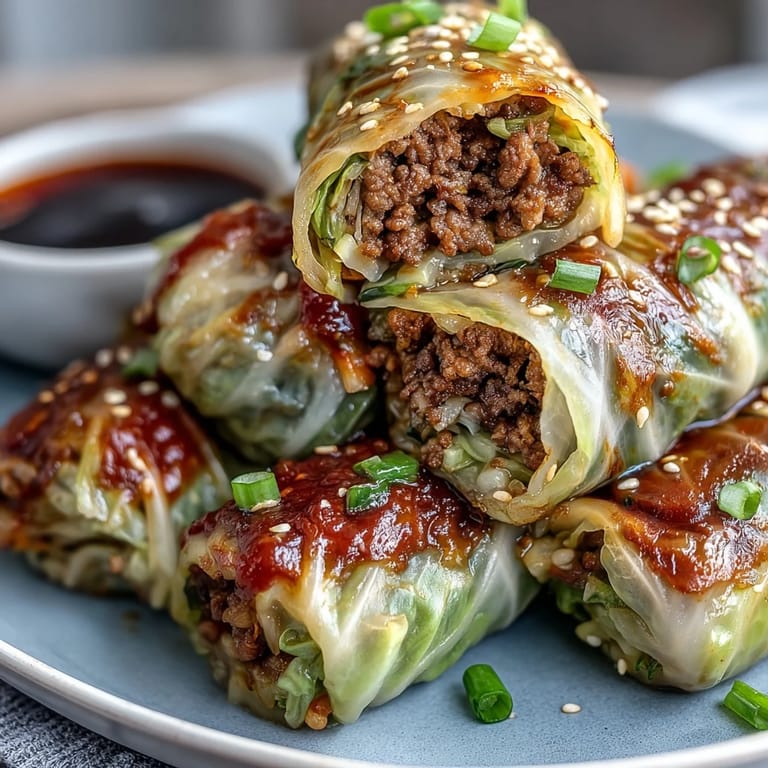 Save
Save 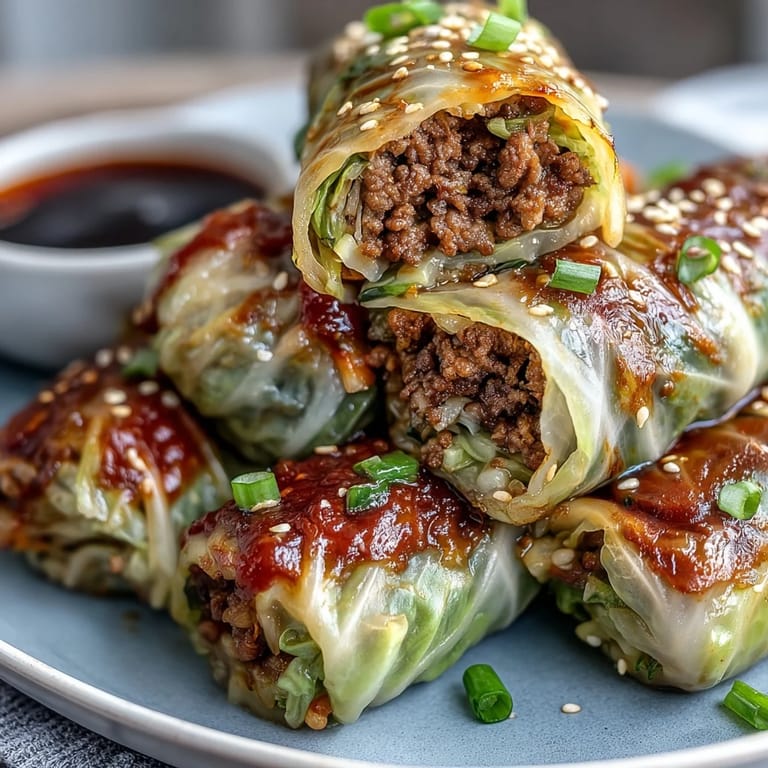 Save
Save Passing around the dipping sauce, I realized for the first time how food connects people even in utter silence. While everyone focused on their plates and the gentle pop of sesame under their teeth, I felt a small moment of contentment settle over the whole table. It wasn’t just dinner—it was everyone looking up at once to say, “Oh, you made this?”
Making Steaming Work for You
One thing I noticed on my second attempt—don’t rush the steaming process. The slower you go, the more the cabbage melts into the stuffing and the flavors mingle. Invest in a metal or bamboo steamer with a good snug lid. And if any little bits of filling sneak out, let them—they’ll taste amazing in the sauce.
Serving Up a Complete Meal
I love pairing these cabbage rolls with a bowl of hot rice and some crunchy kimchi on the side. You could also add pickled radishes or quick cucumber slices for something bright and cooling. Don’t hesitate to double up on dipping sauce if your table’s full of sauce-lovers.
Troubleshooting and Last Touches
When I’m in a hurry, I’ve found microwaving the cabbage leaves under a damp towel works in a pinch. And if you ever run low on ground beef, stretching it with firm tofu works wonders for a lighter roll. Always taste the filling before rolling up your leaves.
- If your rolls seem loose, use a toothpick to secure them before steaming.
- Leftover sauce keeps for days and perks up noodles or rice bowls.
- Don’t forget to sprinkle extra sesame seeds right before serving for crunch and aroma.
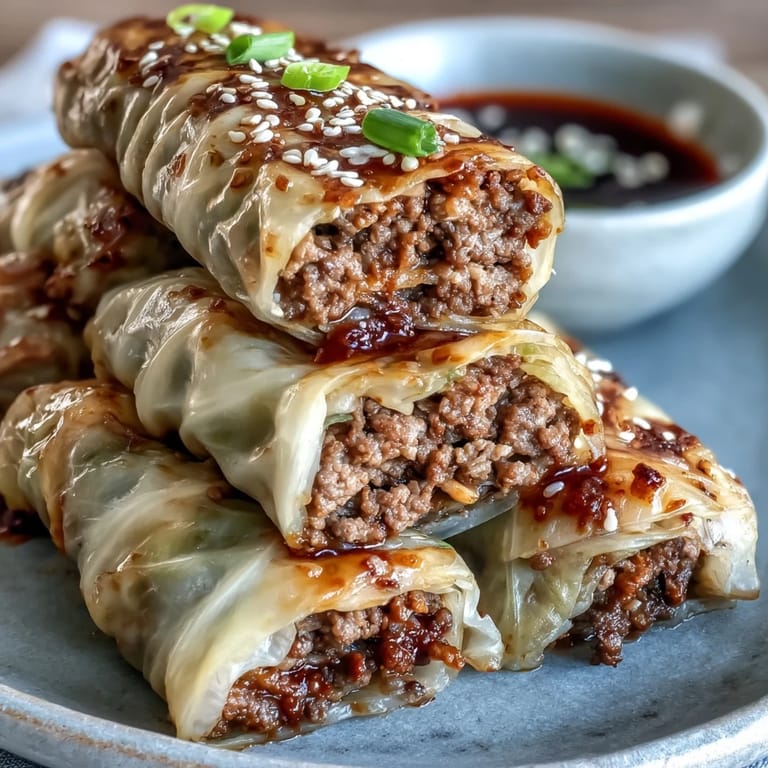 Save
Save 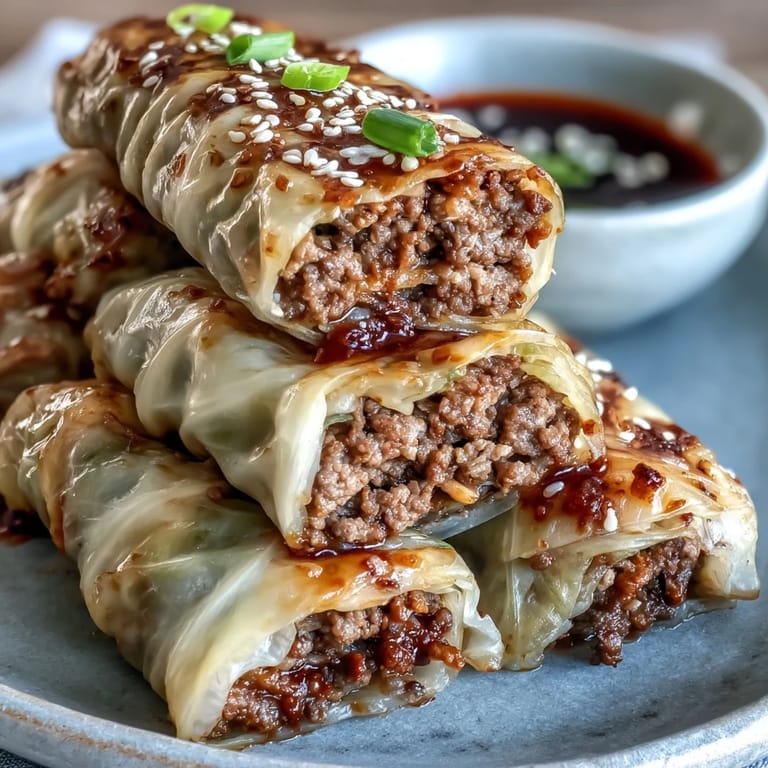 Save
Save Every batch brings new small surprises—don't be afraid to experiment. I hope these Korean cabbage rolls bring your kitchen to life and spark as much laughter as they did in mine.
Recipe FAQs
- → How long should I blanch the cabbage leaves?
Blanch large Napa leaves for 1–2 minutes in boiling water until pliable, then cool in cold water. Overblanching can make leaves too soft to handle, so aim for just enough time to soften the ribs for rolling.
- → What is the best way to roll without the filling spilling?
Place the filling at the base of the leaf, fold in the sides snugly, and roll upward with gentle tension. Tucking the sides in first creates a neat seal; rolling tightly helps keep juices inside during steaming.
- → How can I adjust the spice level?
Reduce the gochujang and gochugaru amounts or omit gochugaru from the dipping sauce for milder heat. You can also add a touch more honey or sugar to the filling or sauce to balance spice.
- → Can I use other proteins or make-ahead the rolls?
Yes—ground pork or turkey are good swaps. You can assemble rolls and refrigerate them for a few hours before steaming, or freeze assembled rolls on a tray then transfer to a bag for longer storage; steam from frozen, adding extra time.
- → How do I know when the filling is cooked through?
Steaming for 15–20 minutes typically cooks 500 g (1 lb) of ground beef in individual rolls. Check one roll by slicing open—juice should run clear and meat should have no pink center.
- → What sides and garnishes work well?
Serve with steamed rice and kimchi for a complete meal. Garnish with extra toasted sesame seeds, sliced scallions, or a drizzle of sesame oil for aroma and contrast.