 Save
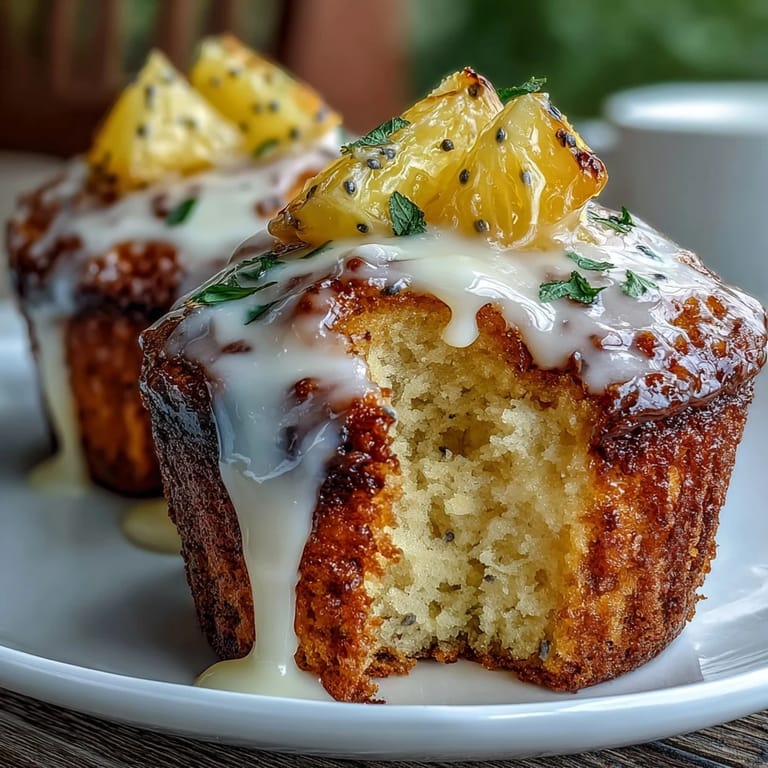
Save My neighbor knocked on my door one April morning with a box of the most fragrant muffins I'd ever seen, their golden tops glistening with a crystalline glaze that caught the sunlight. She'd made them for a spring potluck and somehow ended up with extras, and watching me bite into one while standing in my kitchen doorway, she simply said, "You have to make these." That afternoon, my kitchen smelled like a lemon grove, and I understood exactly why she'd shown up at my door.
I made these for my book club last May, and honestly, they became more famous than the actual discussion that night. Someone asked for the recipe before we even poured wine, and three people came back the next week reporting they'd already baked two batches. That's when I knew this wasn't just a muffin—it was a keeper.
Ingredients
- All-purpose flour (2 cups): The foundation that keeps these muffins tender and approachable; don't sift unless your flour is particularly compacted, as it changes the ratio.
- Granulated sugar (1 cup): This sweetness gets balanced beautifully by the lemon, so resist the urge to add extra unless you love dessert-level sweetness.
- Poppy seeds (2 tbsp): These tiny seeds are the secret MVP—they add visual intrigue and a subtle nuttiness that elevates the whole experience.
- Baking powder (2 tsp) and baking soda (½ tsp): The combination of both creates lift and ensures your muffins rise evenly without becoming cakey.
- Salt (½ tsp): A small amount that amplifies the lemon flavor and prevents the sweetness from feeling one-dimensional.
- Large eggs (2): Room temperature eggs incorporate more smoothly and create a more tender crumb.
- Whole milk (¾ cup): This adds richness and helps create that moist, delicate texture that keeps people coming back.
- Unsalted butter (½ cup, melted and cooled): Melted butter distributes more evenly than cold, creating a more uniform texture throughout.
- Freshly squeezed lemon juice (⅓ cup): Fresh juice tastes worlds brighter than bottled; this is where the magic starts, so don't skip it.
- Lemon zest (2 tbsp): The zest holds aromatic oils that juice alone can't provide, so this matters as much as the juice itself.
- Pure vanilla extract (1 tsp): A small amount that deepens the flavor without announcing itself.
- Powdered sugar (1 cup, sifted): Sifting prevents lumps in your glaze, making it smooth and professional looking.
- Lemon juice for glaze (2-3 tbsp): Start with 2 tablespoons and adjust until you reach a pourable consistency that still coats the back of a spoon.
Tired of Takeout? 🥡
Get 10 meals you can make faster than delivery arrives. Seriously.
One email. No spam. Unsubscribe anytime.
Instructions
- Heat your oven and prepare:
- Set your oven to 375°F and line your muffin tin with paper liners or a light coating of cooking spray. I prefer liners because they peel away cleanly and make serving these at room temperature feel more elegant.
- Combine the dry team:
- Whisk together your flour, sugar, poppy seeds, baking powder, baking soda, and salt in a large bowl, making sure the poppy seeds are evenly distributed. This step takes maybe thirty seconds and ensures your leavening agents are spread throughout.
- Mix the wet ingredients:
- In a separate bowl, whisk your eggs with the milk, melted butter, lemon juice, zest, and vanilla until everything is well combined and looks pale yellow from the lemon. You'll notice the mixture smells immediately bright and spring-like.
- Bring them together gently:
- Pour the wet mixture into the dry ingredients and stir until just combined—this is the moment where restraint matters. Overmixing creates tough, dense muffins, so stop stirring as soon as you don't see streaks of flour anymore.
- Fill your cups:
- Divide the batter evenly among your muffin cups, filling each about three-quarters full so they have room to rise without overflowing. I use a small ice cream scoop to keep portions consistent.
- Bake until golden:
- Slide the tin into your preheated oven for 18 to 20 minutes, watching until the tops turn a light golden brown and a toothpick inserted in the center comes out clean. Your kitchen will smell incredible during this time.
- Cool with patience:
- Let the muffins rest in the pan for 5 minutes—this helps them set without sticking—then transfer them to a wire rack to cool completely before glazing. Glazing warm muffins causes the glaze to slide right off.
- Make your glaze:
- Whisk your sifted powdered sugar with lemon juice until you reach a consistency that's smooth and pourable but still clings to the muffin tops. Start with 2 tablespoons of juice and add more drop by drop until it's perfect.
- Finish with a drizzle:
- Once your muffins are completely cool, drizzle the glaze generously over each one and let it set for a few minutes before serving. This final touch makes them look bakery-worthy.
 Save
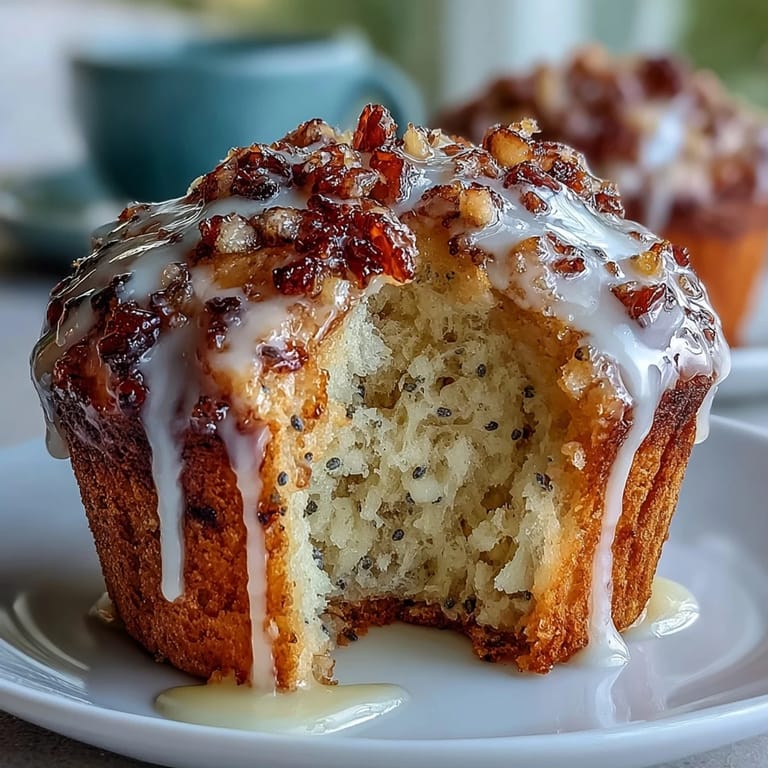
Save There was a Tuesday morning when I brought a batch to my daughter's school bake sale, and the teacher ate one before they even went on the table. She told me later that she'd never had a homemade muffin that tasted like spring itself, and somehow that comment stuck with me more than the sold-out table did.
The Lemon Advantage
What makes lemon such a powerful addition to baked goods is that it doesn't just add flavor—it actually brightens everything else in the batter. The acid in the lemon juice reacts with the baking soda to create lift, while the zest provides aromatic compounds that sugar alone can't achieve. This is why these muffins taste more complex and interesting than your standard vanilla muffin, without requiring any unusual ingredients or techniques. When you bite into one, your taste buds wake up in a way that feels almost surprising.
Storage and Make-Ahead Wisdom
These muffins keep beautifully in an airtight container for up to four days, and honestly, they taste even better on day two as the flavors settle and deepen. You can also freeze the unfrosted muffins for up to three months, then thaw them at room temperature and glaze them fresh whenever you want to feel like you've just baked. I once forgot I had a batch in my freezer and rediscovered them two weeks later when a friend dropped by unexpectedly—they tasted so fresh and lemon-bright that I took full credit for baking them that morning.
Variations Worth Exploring
While this recipe shines exactly as written, I've learned that small adjustments can personalize it for your taste. Adding an extra tablespoon of zest intensifies the lemon flavor without making it taste sour, while substituting Greek yogurt for half the butter creates a slightly lighter, more tender crumb that feels less indulgent but equally satisfying. Some mornings I add a handful of blueberries because the tartness complements the lemon so well, and I once made a lavender version by adding a quarter teaspoon of dried lavender to the dry ingredients.
- Extra zest can go up to 3 tablespoons total if you want serious lemon intensity.
- For a healthier twist, swap Greek yogurt for half the melted butter and enjoy a moister, slightly denser muffin.
- Fresh berries or white chocolate chips work beautifully if you want to vary the recipe while keeping the bright lemon front and center.
 Save
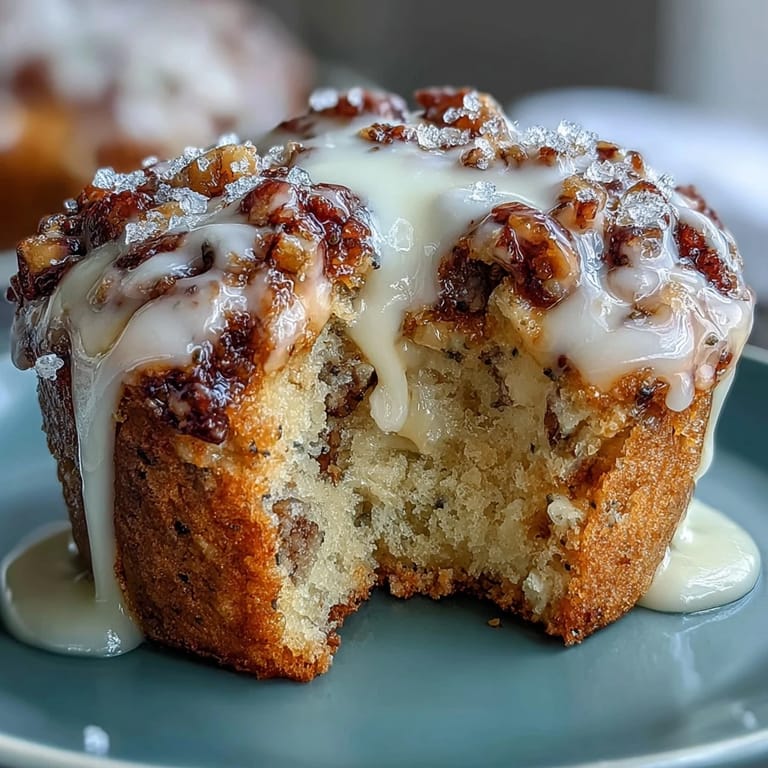
Save These muffins have become my go-to when I want to show up to something with homemade goodness that tastes impressive but doesn't stress me out. They're proof that sometimes the simplest recipes, built on fresh ingredients and respect for technique, create the most memorable moments.
Recipe FAQs
- → What gives these muffins their lemon flavor?
Freshly squeezed lemon juice and grated lemon zest are used to infuse a bright and natural citrus flavor throughout the muffins.
- → How do poppy seeds affect the texture?
Poppy seeds add a subtle crunch and nutty texture, creating a pleasant contrast to the soft muffin crumb.
- → Can I substitute milk for a dairy-free alternative?
Yes, you can use almond milk, oat milk, or other plant-based milks to maintain moisture and flavor.
- → What is the purpose of the lemon glaze?
The glaze enhances the muffins with a sweet and tangy finish that complements the citrus zest inside, adding moisture and shine.
- → How should the glaze be applied for best results?
Allow the muffins to cool completely before drizzling the glaze evenly on top, then let it set so it forms a smooth coating.
- → Can these muffins be stored after baking?
Yes, store them in an airtight container at room temperature for up to two days or refrigerate for longer freshness.