 Save
Save I discovered this platter at a dinner party where my friend had arranged vegetables and dips in the most unexpected way—tall and architectural, like edible origami. When she explained it was inspired by Moroccan street markets, everything clicked. The tent shape became iconic, and soon I was recreating it for every gathering, watching guests light up when they realized it was meant to be arranged that way.
The first time I made this for a potluck, I arranged everything meticulously, then my nephew arrived early and helped me rewrap the flatbread triangles around the tent structure like little flags. By the time guests arrived, the whole thing looked even better than I'd planned. That's when I realized this dish thrives on small hands and unexpected touches.
Ingredients
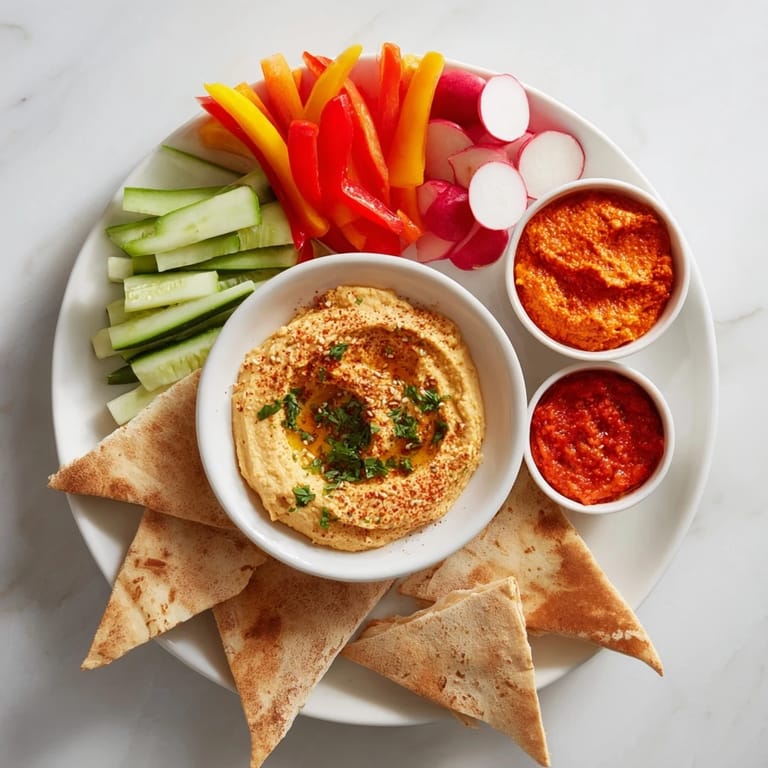
- Cucumber: Lengthwise slices stay crisp and provide a cool, refreshing anchor for heavier dips.
- Red and yellow bell peppers: Their natural sweetness balances the spiced dips, and the color contrast makes the tent visually sing.
- Carrots: Cut into sticks so they stay sturdy enough to scoop without breaking mid-dip.
- Cherry tomatoes: Halved to fit perfectly on the platter and burst with brightness between the cooler vegetables.
- Red onion: Thinly sliced and slightly raw gives a sharp, honest bite that cuts through richness.
- Radishes: Often overlooked, but their peppery snap makes guests pause and ask what they just tasted.
- Pita or msemen: Warm them gently so they stay flexible for bending around the arrangement and dipping without crumbling.
- Hummus, muhammara, and baba ganoush: These are the soul of the platter—buy quality or make from scratch if you have time, as they're the first thing people taste.
- Green and black olives: Scattered across the top, they add a salty, briny sophistication.
- Fresh cilantro or parsley: Chopped fine so it clings to the dips and adds a whisper of freshness.
- Toasted sesame seeds: They toast faster than you'd expect, so stay close and don't trust the timer.
- Cumin and smoked paprika: Sprinkled directly on the dips, they hint at the markets these flavors came from.
Tired of Takeout? 🥡
Get 10 meals you can make faster than delivery arrives. Seriously.
One email. No spam. Unsubscribe anytime.
Instructions
- Prep your canvas:
- Slice and cut all vegetables into pieces large enough to grip but small enough to dip in one bite. As you work, arrange them in a loose grouping on your platter—you're not committing to the final shape yet, just getting a sense of how the colors play together.
- Build the tent structure:
- Stand your vegetable slices upright in pointed, triangular groupings, alternating colors so no two reds sit side by side. Think of it less as precise architecture and more as organized chaos—lean them against each other for support.
- Warm the bread:
- Place pita or msemen in a dry skillet over medium heat for 2-3 minutes, flipping once, until they're warm and pliable. Cut into triangles and fan them out at the base of your vegetable tent like little sails.
- Prepare the dips:
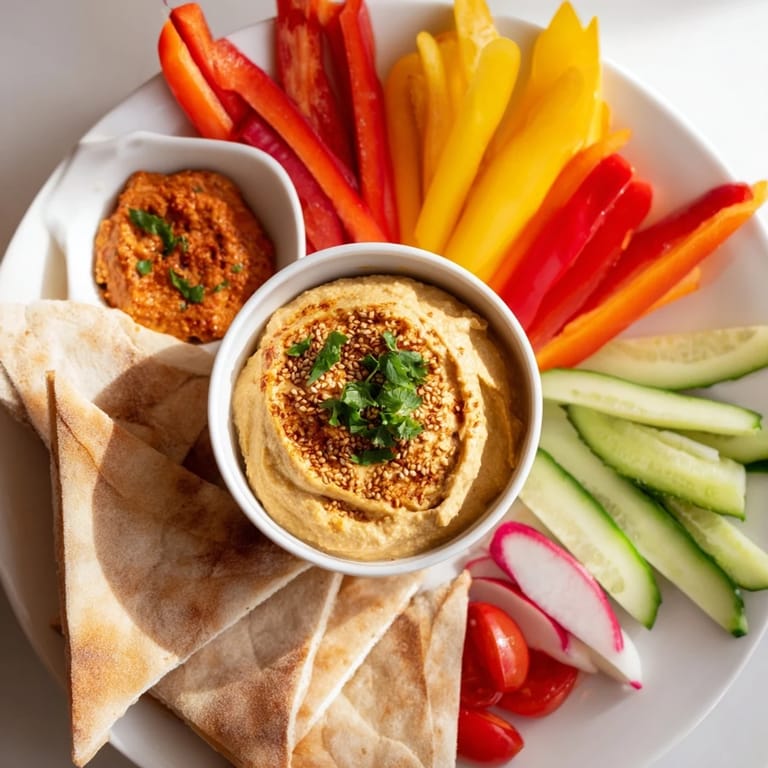
- Spoon hummus, muhammara, and baba ganoush into small bowls, creating little pools at the center base of the arrangement. Sprinkle each with a pinch of cumin, paprika, and sesame seeds—the dips should look dressed for a celebration.
- Final flourish:
- Scatter olives across the top of the tent, then rain chopped cilantro or parsley over everything. Step back and let yourself feel proud of what you've created.
 Save
Save There was a moment at a dinner when a guest who usually stays quiet at parties suddenly became animated, trying different vegetable and dip combinations, telling stories about traveling in Morocco. That's when I realized this platter does more than feed people—it invites them to participate and remember.
Making It Your Own
This tent welcomes improvisation. Add roasted chickpeas for crunch, marinated feta cubes for tang, or blanched green beans and snap peas if your market has them looking especially fresh. The structure stays the same, but the details become yours.
Ahead of Time Strategy
You can slice and cut all vegetables up to 8 hours ahead—store them in airtight containers, separated by type so colors don't bleed. This makes assembly on party day just arranging and garnishing, which means you can actually enjoy your guests instead of scrambling in the kitchen.
Pairing and Serving
Moroccan mint tea is the obvious choice, its warmth offsetting the cool vegetables and bright dips. A crisp white wine works too—something unoaked and mineral. The beauty of a platter like this is that people eat slowly, dip multiple times, and stay engaged longer than they would with a single dish.
- Make sure your platter is large enough that people can reach without crowding or dismantling the tent.
- Position the dips where they're accessible from multiple angles so no one person monopolizes them.
- Keep extra dips in the kitchen for refilling, and don't let the platter look depleted—refresh it if you're serving over time.
 Save
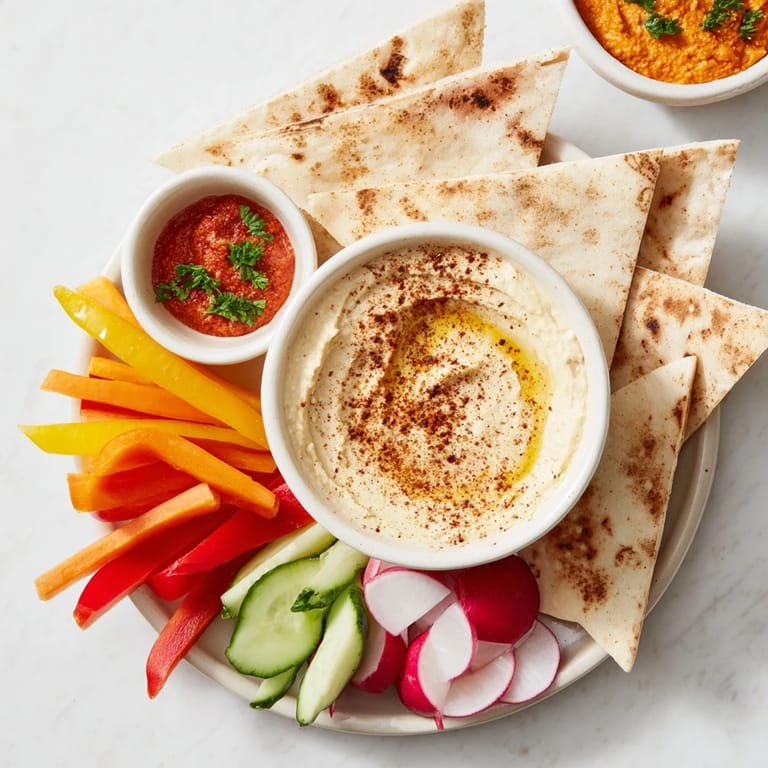
Save This platter reminds me that some of the best meals are the ones where everyone gets to choose their own adventure. Serve it with confidence and watch what happens.
Recipe FAQs
- → What vegetables work best for the tent arrangement?
Sliced cucumbers, bell peppers, carrots, cherry tomatoes, red onions, and radishes provide vibrant colors and crisp textures ideal for this presentation.
- → Can I substitute the flatbreads?
Yes, pita breads or Moroccan msemen both warm well and complement the dips. You may also try other soft flatbreads for variety.
- → How should the dips be seasoned?
The dips are enhanced with ground cumin, smoked paprika, and toasted sesame seeds to add a smoky, warm flavor profile.
- → Is it possible to make the platter vegan?
Ensure all dips and breads are free from dairy and animal products. Most traditional ingredients in this platter are plant-based.
- → What garnishes add the finishing touch?
Green and black olives along with freshly chopped cilantro or parsley brighten the presentation and add a fresh, briny contrast.
- → How long does preparation take?
Preparing and arranging the vegetables and dips typically takes around 25 minutes, with an additional 10 minutes to warm and prepare flatbreads.