 Save
Save My roommate came home one evening craving takeout, and I'd just discovered a block of tofu in the fridge that needed rescuing. Instead of ordering, I threw together whatever vegetables we had on hand and tossed them in a quick sauce that somehow tasted like the egg rolls we'd always gotten at our favorite spot downtown. She took one bite and looked genuinely surprised—turns out you don't need a fryer or a spring roll wrapper to capture that magical combination of crispy, savory, and bright flavors.
I made this for a friend who'd just gone vegan, and I was nervous the whole thing would feel like a compromise. But watching her scrape the last bits of sauce from her bowl while humming contentedly told me everything—this isn't a substitute for anything, it's just genuinely delicious in its own right.
Ingredients
- Extra-firm tofu (400 g): The foundation of this bowl—pressing it really matters because it gives you a firmer, crisper texture that actually absorbs the sauce instead of dissolving into it.
- Cornstarch (1 tbsp): This tiny amount does the heavy lifting, creating that golden, slightly crispy exterior when you pan-fry the tofu.
- Neutral oil (1 tbsp): Sunflower or canola works best; avoid olive oil here since the heat would make it bitter.
- Green cabbage (2 cups): The backbone vegetable that provides sweetness and that satisfying crunch you expect from an egg roll.
- Kale (1 cup): Adds earthiness and texture; if you're not a kale person, bok choy or napa cabbage swap in perfectly.
- Spinach (1 cup): Wilts down quickly and adds mineral notes that ground the sweeter vegetables.
- Carrot (1 large): Julienne it thin so it cooks in the same time as everything else and adds natural sweetness.
- Green onions (3): Split the difference—use some sautéed with the aromatics and save some fresh for garnish so you get both cooked and raw brightness.
- Garlic and ginger (2 cloves and 1 tbsp): The flavor duo that makes your kitchen smell absolutely incredible and defines the whole savory direction.
- Low-sodium soy sauce or tamari (3 tbsp): The umami backbone; tamari makes it gluten-free without sacrificing depth.
- Rice vinegar (1 tbsp): Cuts through the richness and adds that subtle tang that makes you keep eating.
- Toasted sesame oil (1 tbsp): The secret weapon for authenticity—use the toasted kind, not regular sesame oil, the difference is noticeable.
- Maple syrup or agave (1 tsp): Just enough to balance the savory and add a whisper of sweetness that ties it all together.
- White pepper (1/2 tsp): Gentler than black pepper and creates a softer heat that doesn't overpower.
Tired of Takeout? 🥡
Get 10 meals you can make faster than delivery arrives. Seriously.
One email. No spam. Unsubscribe anytime.
Instructions
- Press and Cube Your Tofu:
- Wrap your block of tofu in clean paper towels or use a tofu press for 10-15 minutes to release excess moisture. Dry tofu crisps up beautifully in the pan, while wet tofu just steams and falls apart. Once pressed, cut it into small cubes about the size of dice.
- Coat and Pan-Fry:
- Toss your tofu cubes with cornstarch so every piece gets a light coating. Heat oil in your skillet over medium-high heat until it shimmers, then add the tofu and let it sit undisturbed for 2-3 minutes before stirring—this creates that golden crust you're after. You'll hear it sizzle and smell it toasting, and that's exactly what you want.
- Build the Aromatics:
- Once your tofu is set aside, use the same pan and add minced garlic, ginger, and the white parts of your green onions. Let them bloom for about a minute until the whole kitchen smells like a cozy Asian restaurant.
- Wok-Toss Your Vegetables:
- Add cabbage, kale, and carrot all at once and keep everything moving with your spatula for the next 3-4 minutes. You want them soft enough to eat but still bright and snappy—if they look wilted and dull, you've gone too far.
- Wilt the Spinach:
- Throw in your spinach and stir until it darkens and collapses into the pan, about a minute max.
- Mix Your Sauce:
- While the vegetables finish, whisk together soy sauce, rice vinegar, sesame oil, maple syrup, and white pepper in a small bowl. Taste it straight from a spoon if you want—it should taste a little intense and deeply savory, not muted.
- Bring It All Together:
- Return your tofu to the pan and pour the sauce over everything, then toss gently for about 2 minutes so every vegetable and tofu piece gets coated in that glossy, fragrant sauce. The pan will look cohesive and smell unreal.
- Finish and Serve:
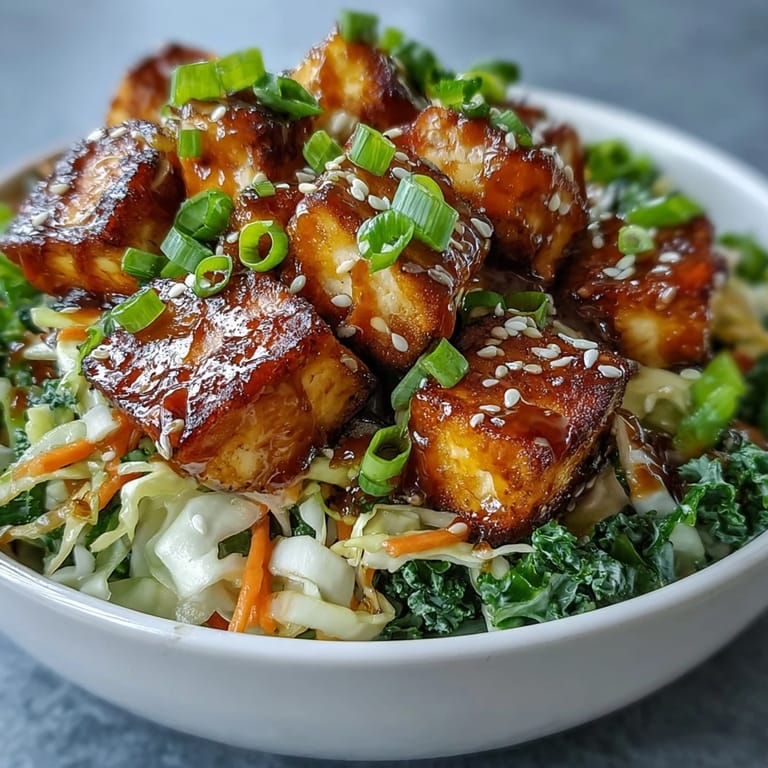
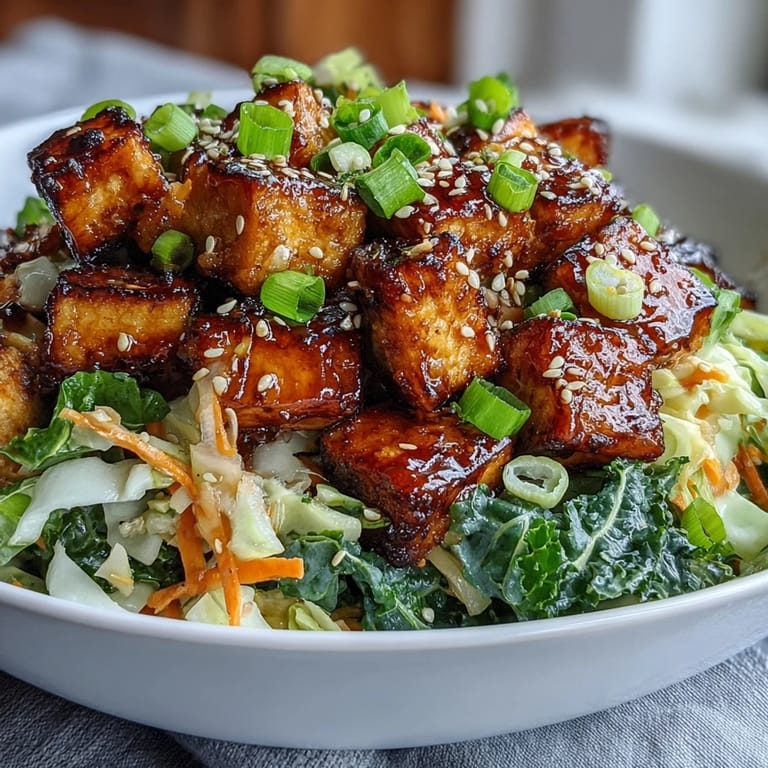
- Transfer to bowls and scatter sesame seeds, fresh green onion slices, and chili flakes across the top. The contrast between the warm saucy vegetables and the fresh garnish is what makes people ask for the recipe.
 Save
Save This bowl has become my emergency dinner, the thing I make when someone calls and says they're coming over in an hour and I want them to feel taken care of. There's something about serving food that came together so quickly but tastes like genuine effort that shifts the whole mood of a meal.
The Tofu Factor
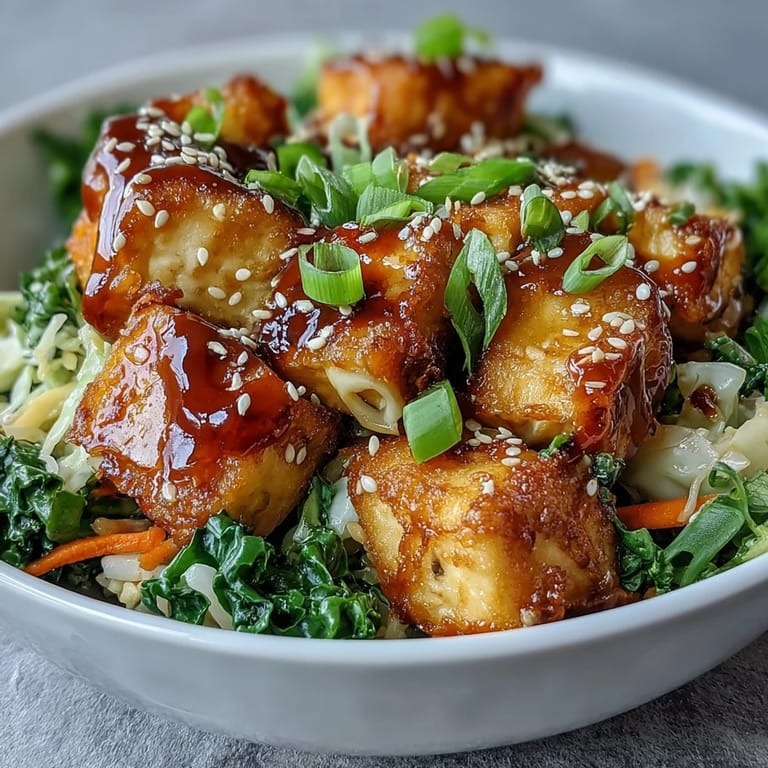
If you've been intimidated by cooking with tofu, this recipe is honestly your moment. Extra-firm tofu responds beautifully to pan-frying, and the cornstarch trick turns it crispy rather than rubbery—I learned this by accident when I was out of flour and needed something to coat it with. The tofu becomes almost tender on the inside and golden on the outside, and once you taste that contrast, you'll understand why it's become such a staple in my rotation.
Customizing Your Bowl
The vegetable combination here is more of a suggestion than a rule. I've made this with bok choy instead of kale when it was what I had, swapped baby spinach for regular, added broccoli when I was feeling it. The real magic isn't in hitting exact vegetables—it's in the tofu and sauce combination, which stays the same and holds everything together. The sauce is forgiving enough that whatever you choose will taste intentional and delicious.
Scaling It Up or Down
This recipe feeds four people as a main dish, but I often make half batches for two when it's just a quiet dinner at home. The sauce proportions scale easily, and honestly, the whole thing takes so little time that you can have a hot meal on the table in about thirty minutes flat, start to finish. If you want something more substantial, serve it over brown rice, quinoa, or crispy rice noodles—the sauce soaks into everything beautifully and makes it even more satisfying.
- Brown rice, quinoa, or rice noodles turn this into a more filling meal without changing the core flavors.
- Crushed peanuts or crispy wonton strips (if you're not keeping it gluten-free) add an extra textural layer that feels indulgent.
- Make extra sauce if you're adding grains—the vegetables and tofu will absorb more than you expect and you'll want that umami-rich coating throughout.
 Save
Save This bowl changed how I think about weeknight cooking—it proved to me that fast doesn't have to mean forgettable. Every time I make it, someone asks for the recipe.
Recipe FAQs
- → How do I get crispy tofu?
Press your tofu thoroughly to remove excess moisture, then coat cubes in cornstarch before pan-frying. This creates a crispy golden exterior that holds up well in the sauce.
- → Can I make this gluten-free?
Yes, simply substitute tamari for the soy sauce. All other ingredients naturally contain no gluten, making this an easy gluten-free adaptation.
- → What can I serve with this bowl?
Brown rice, quinoa, or rice noodles make excellent additions for a more filling meal. You can also add crushed peanuts or crispy wonton strips for extra texture.
- → How long does this keep?
Store leftovers in an airtight container for up to 3 days. The tofu will soften slightly when reheated, but the flavors will continue to develop.
- → Can I use different vegetables?
Absolutely. Bok choy, napa cabbage, bell peppers, or snap peas work beautifully. Use whatever crisp vegetables you have on hand.
- → Is this bowl high in protein?
Each serving contains 17 grams of protein from the tofu, making it a satisfying plant-based protein source perfect for active lifestyles.