 Save
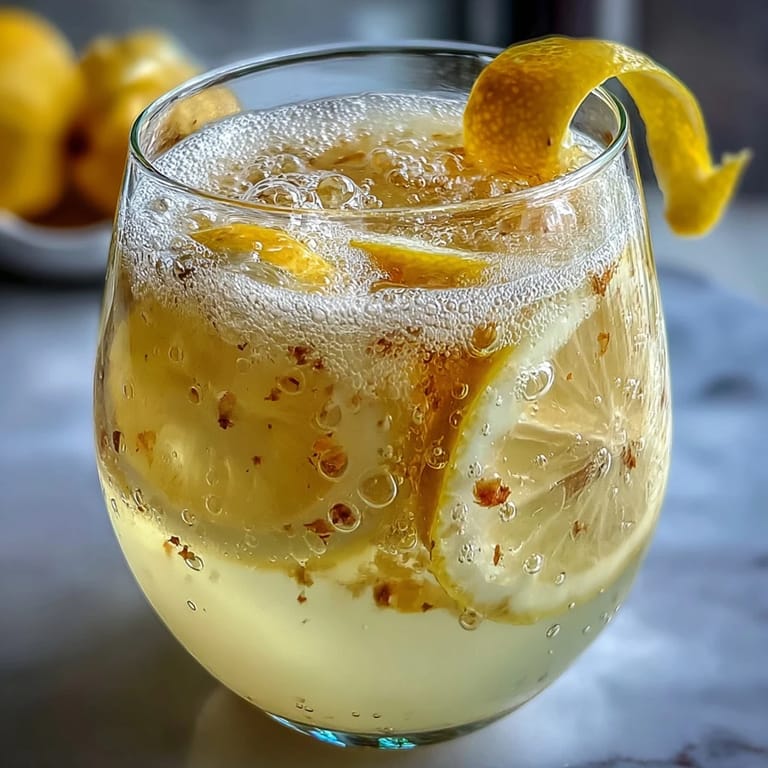
Save The first time I ever tried fermenting lemonade, it was on a drizzly afternoon when I needed a project but didn't want anything fussy. The kitchen filled with the bright scent of lemons and the faint, earthy tang of raw honey, promising something far more refreshing than store-bought soda. There's something oddly satisfying about watching bubbles appear where you least expect them—especially from a simple jug on your countertop. Hearing the faint hiss when popping open the bottle, I realized: homemade sparkling lemonade truly feels like a tiny accomplishment each time. Now, it's my favorite way to feel like a cheerful scientist in my own home.
When my sister stopped by unexpectedly one spring, I poured her a glass from my very first batch. We'd barely finished laughing at how I nervously loosened the bottle cap before the kitchen filled with the aroma of fresh lemon, and we toasted to little victories, like making something delicious out of patience and basic ingredients.
Ingredients
- Lemons: Go for large, juicy ones—rolling them on the counter makes juicing easier and you'll get more liquid for a punchier lemonade.
- Filtered water: Skip the tap if yours tastes strong; good water means a cleaner, smoother lemonade.
- Raw honey: Unpasteurized honey is the secret to gentle fermentation, so only use the good stuff (and measure carefully so it dissolves).
- Fresh ginger (optional): Just a bit adds a spicy warmth that lifts the whole drink—slice it thin for more flavor.
- Fresh mint (optional): One sprig brings a cool herbal note that brightens the final fizz.
Tired of Takeout? 🥡
Get 10 meals you can make faster than delivery arrives. Seriously.
One email. No spam. Unsubscribe anytime.
Instructions
- Mix Up The Base:
- Pour your fresh lemon juice and filtered water into a big pitcher – listen to that splash and take in the zesty aroma already wafting up.
- Sweeten And Dissolve:
- Add the raw honey, stirring slowly until it fully melts away – you want all that honey to disappear so your lemonade ferments evenly.
- Add Flavor (If You Fancy):
- Drop in thin slices of ginger or nestle a mint sprig in, letting each swirl of the spoon carry their essence through the mix.
- Prep For Bubbling:
- Carefully pour everything into a spotless jar, leaving a little breathing room at the top, and close the lid just enough to keep air out but let gases escape (or use a fermentation airlock if you have one).
- Let It Ferment:
- Leave your jar out of sunlight at room temperature, peeking once a day to check for fizz and giving it a cautious taste until it’s just right—tangy, faintly sweet, and bubbly.
- Bottle Up & Chill:
- Move your happy, fermented lemonade into swing-top bottles, seal them, and set them in the fridge for a good chill—waiting at least four hours (if you can).
- Pour & Enjoy:
- Serve over ice and listen to that satisfying fizz—cheers to your homemade probiotic sipper.
 Save
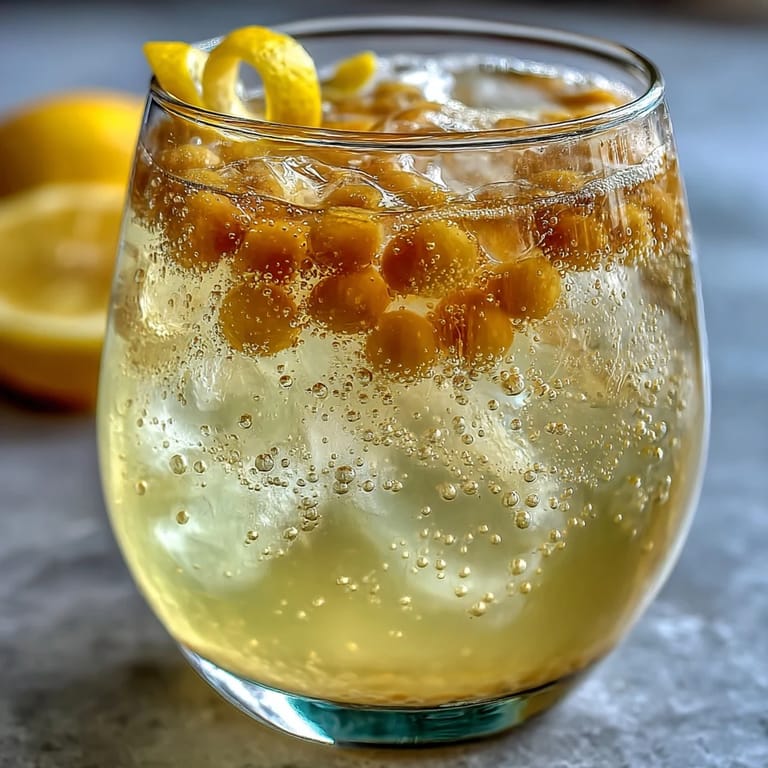
Save One evening, I served a chilled glass to my partner after a long, sweltering bike ride. Watching the beads form on the glass and that surprised, happy grin with the first sip was when this lemonade stopped being just a drink and became my unofficial welcome home tradition.
How To Get The Best Natural Fizz
Fermentation times can vary a lot depending on your kitchen's mood—the room temperature, even the honey you use, will affect those magical bubbles. I've had batches fizz overnight in summer and drag on for days in cooler weather, so trust your senses as much as the clock.
When To Add Extra Flavors
Tossing fresh ginger or mint in at the start lets their flavors melt into the lemonade, but for sharper notes, add them just before bottling. Either way, they turn a classic lemonade into something with a twist.
What To Watch Out For
Fermentation is forgiving but not foolproof—you want lively bubbles, not exploding bottles. Always use sturdy bottles meant for carbonation and check them daily as they chill.
- Opening bottles over the sink saves messes when you get extra fizz.
- If your lemonade tastes dull, a pinch of sea salt perks it right up.
- Be patient: chilling time deepens both flavor and bubbles.
 Save
Save Making sparkling fermented lemonade always feels secretly magical—and now, when you share it, it can be your little ritual too.
Recipe FAQs
- → How long should I ferment the mixture?
Ferment at room temperature for 2-3 days, tasting daily for brightness and fizz. Up to 4 days yields stronger carbonation but monitor bottles for pressure buildup.
- → Why use raw honey instead of regular honey?
Raw, unpasteurized honey contains wild yeasts and enzymes that help natural fermentation. Processed honey often lacks those active microbes and may not carbonate reliably.
- → How can I safely store the finished drink?
Transfer to swing-top bottles and refrigerate to slow fermentation. Chill for at least 4 hours before serving and open bottles slowly to release any built-up pressure.
- → Can I add other flavors?
Yes. Add sliced ginger, fresh mint, berries, basil, or a small pinch of sea salt before or after fermenting to layer aroma and balance sweetness.
- → Will this produce alcohol?
Short ferments (2-3 days) produce only trace alcohol as wild yeasts consume sugars; longer fermentation can raise alcohol slightly. Refrigeration halts activity and keeps levels minimal.
- → How long will it keep in the fridge?
Properly sealed and refrigerated, the drink keeps best for about 1-2 weeks. Flavor and effervescence are freshest within the first few days.