 Save
Save There's this moment in late spring when my farmer's market haul suddenly feels too abundant to ignore, and I find myself standing in the kitchen surrounded by bell peppers in every color and a glossy eggplant that seemed like a good idea at the time. That's when I discovered that roasting vegetables doesn't just cook them—it transforms them into something almost caramelized and sweet, nothing like the steamed, tired vegetables I'd grown up with. This salad came together one Saturday afternoon when I wanted to use everything before it wilted, and I've been making it ever since because it actually tastes better the next day.
I made this for my sister's book club last summer, and someone asked for the recipe halfway through appetizers—before anyone had even tasted the main course. That's when I knew I'd stumbled onto something special, something that works whether you're feeding a crowd or just yourself with intentions of leftovers for three days straight.
Ingredients
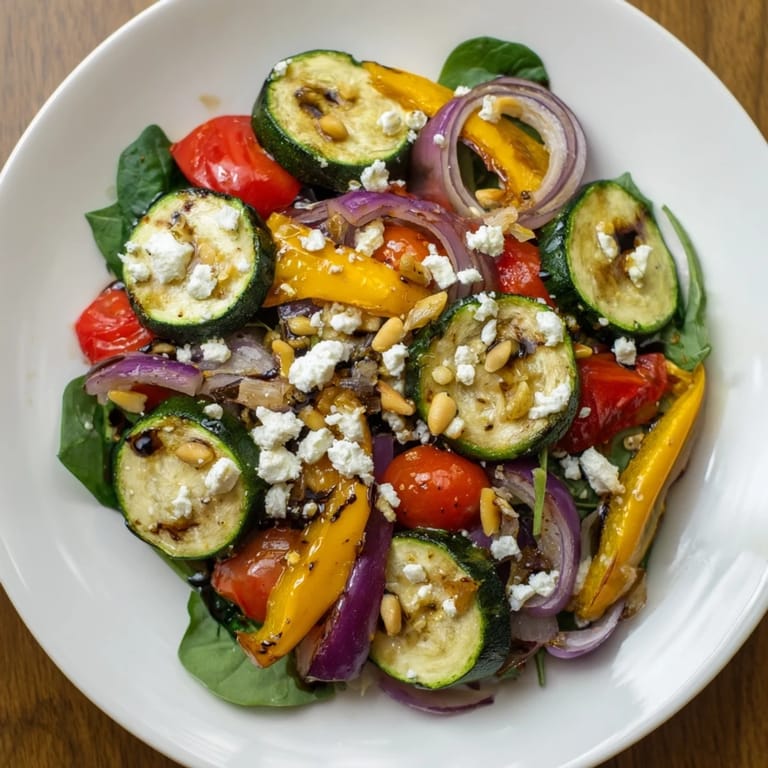
- Zucchini: A medium one gives you enough substance without overwhelming the other vegetables; half-inch slices roast evenly and develop nice caramelization on the edges.
- Bell peppers: Both red and yellow for color and sweetness; the red adds earthiness while the yellow brings brightness.
- Red onion: Wedges soften into something almost silky when roasted, and they add a subtle sweetness that balances the acidity of the dressing.
- Eggplant: One-inch cubes soak up the olive oil and develop a meaty texture that makes this salad feel substantial.
- Cherry tomatoes: Halved so they don't dry out completely during roasting and release their juices into the greens later.
- Olive oil: Use a good-quality one for roasting; the vegetables taste like whatever oil you use, so this matters.
- Dried Italian herbs: A blend or just what you have keeps things simple; fresh herbs wilt too quickly in the heat.
- Mixed salad greens: The contrast between warm roasted vegetables and cool, tender greens is what makes this work.
- Extra virgin olive oil for dressing: Save this bottle for the dressing where you'll actually taste it.
- Balsamic vinegar: The kind with a little sweetness and body; cheap balsamic tastes like acid.
- Dijon mustard: A teaspoon acts as an emulsifier and adds subtle depth without any sharp mustard flavor.
- Garlic: One clove, finely minced, so it distributes evenly through the dressing and doesn't overpower.
- Honey or maple syrup: Just enough to balance the acidity and round out the flavors.
- Pine nuts or walnuts: Toasted and scattered on top for crunch; the oils in them warm slightly from the hot vegetables and release their flavor.
- Parmesan or feta: Optional but highly recommended; the saltiness adds another dimension.
Tired of Takeout? 🥡
Get 10 meals you can make faster than delivery arrives. Seriously.
One email. No spam. Unsubscribe anytime.
Instructions
- Heat your oven and prep your workspace:
- Turn the oven to 425°F and line a baking sheet with parchment paper so you won't spend time scrubbing later. This temperature is hot enough to create that caramelized exterior without turning everything into mush.
- Coat the vegetables with flavor:
- Toss all your cut vegetables in a large bowl with the two tablespoons of olive oil, dried herbs, and a generous pinch of salt and pepper. You want each piece lightly glossy; if it looks dry, add a bit more oil because the vegetables will steam if they're not coated properly.
- Spread them out to roast:
- Arrange everything in a single layer on your prepared sheet—this is important because crowding causes steaming instead of roasting. They should sizzle the moment they hit the hot pan.
- Roast with intention:
- After about fifteen minutes, give everything a gentle stir so the pieces that were on the bottom get their turn at the hot surface. You're looking for tender vegetables with golden-brown edges, which should take about twenty-five to thirty minutes total.
- Build the dressing while vegetables roast:
- Whisk together the extra virgin olive oil, balsamic vinegar, Dijon mustard, minced garlic, and honey in a small bowl. The mustard helps everything emulsify so the dressing doesn't separate immediately; taste it and adjust salt and pepper until it tastes bright and slightly sweet.
- Assemble with intention:
- Spread your salad greens on a platter or individual plates while the vegetables are still warm. Top with the roasted vegetables, then drizzle the dressing over everything while you can still see the steam rising from the vegetables.
- Finish and serve:
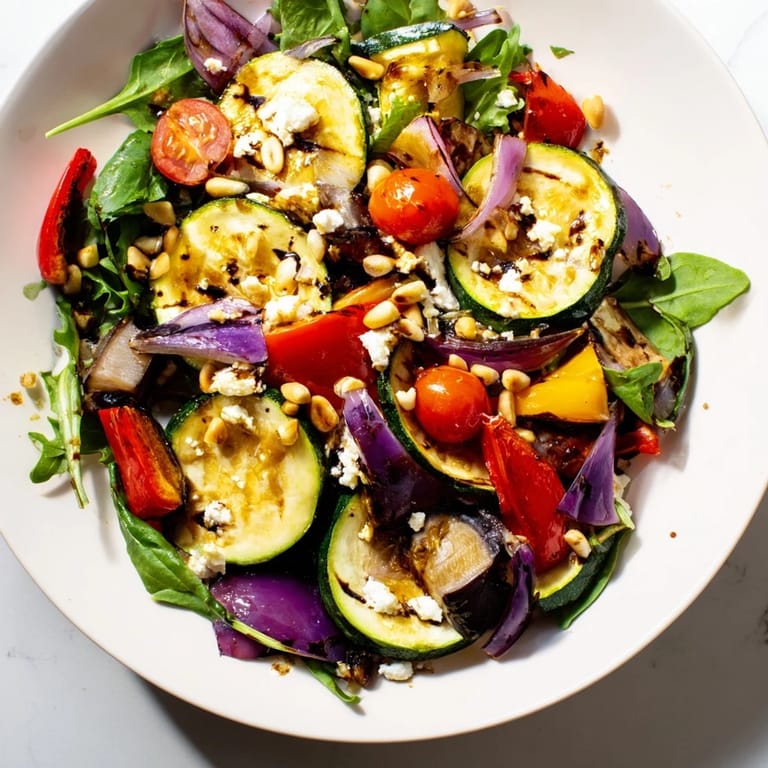
- Scatter toasted nuts and cheese over the top if using, then serve immediately so the greens stay crisp beneath the warm vegetables.
 Save
Save What started as a way to use up Saturday market finds turned into my default dinner when I need something that feels both effortless and impressive. There's something deeply satisfying about serving warm vegetables on cool greens with a homemade dressing, knowing that everyone at the table will taste exactly what you intended.
Why Warm and Cool Work Together
The magic of this salad lives in that temperature contrast—the warm roasted vegetables wilt the greens just slightly while staying crisp enough to have actual texture, and the cool leaves cool down the vegetables just enough that you don't burn your mouth. This balance is why the salad tastes better assembled right before serving, rather than all mixed together ahead of time.
Variations That Keep It Interesting
Once you understand the basic technique, this salad becomes a canvas for whatever vegetables look good at the market. Sweet potatoes add earthiness and natural sweetness, baby carrots get almost candy-like when roasted, and asparagus becomes tender and slightly caramelized if you toss it in during the last ten minutes.
Making It a Complete Meal
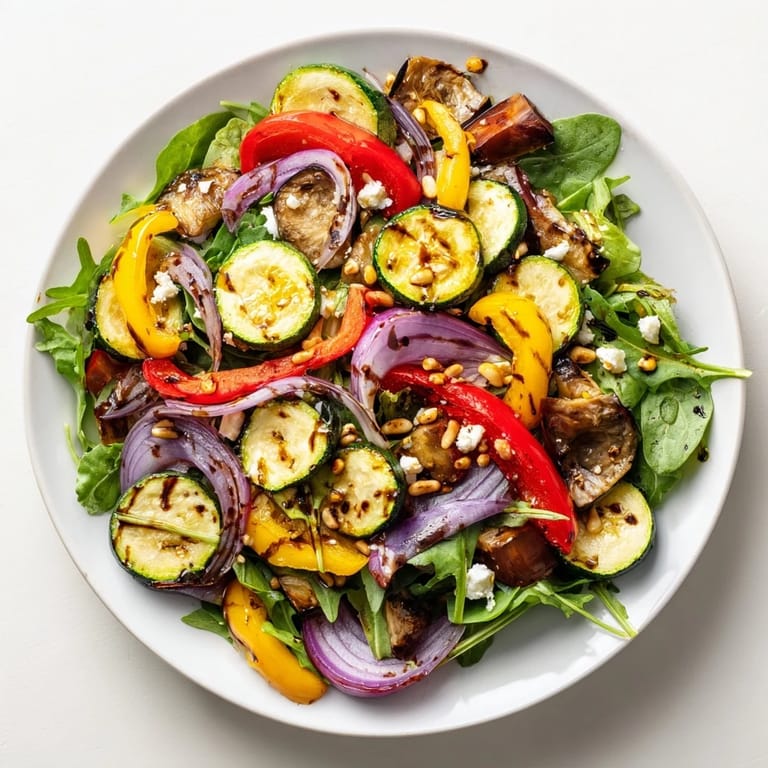
This salad works perfectly as a side, but it also transforms into a complete dinner with minimal additions. Grilled chicken breast torn into pieces, flaked salmon, or even crispy chickpeas roasted alongside the vegetables add protein without overwhelming the delicate balance.
- Roasted chickpeas work beautifully if you want to keep it vegetarian.
- Make extra dressing and keep it in a jar in the refrigerator for up to a week.
- Chilled leftovers become a completely different but equally delicious salad the next day.
 Save
Save This is the kind of recipe that grows with you—it starts as a simple way to cook vegetables and gradually becomes a foundation for countless variations. Keep making it and tasting it until you know exactly how you like the balance of acid and sweetness in your dressing.
Recipe FAQs
- → What vegetables are ideal for roasting in this salad?
Zucchini, bell peppers, red onion, eggplant, and cherry tomatoes work beautifully, offering tender texture and rich flavor when roasted.
- → Can the salad be served cold or only warm?
This salad is versatile; it can be enjoyed warm right after roasting or at room temperature, allowing flavors to meld.
- → What dressing complements the roasted vegetables best?
A balsamic vinegar dressing blended with olive oil, Dijon mustard, garlic, and a hint of sweetness perfectly balances the roasted veggies.
- → Are there any suggested garnishes to enhance flavor and texture?
Toasted pine nuts or walnuts add crunch, and shaved Parmesan or crumbled feta lends a savory note, though vegan options can omit cheese.
- → How can this dish accommodate dietary restrictions?
It's naturally gluten-free and vegetarian; cheese can be omitted or replaced with vegan alternatives for dairy-free preferences.