 Save
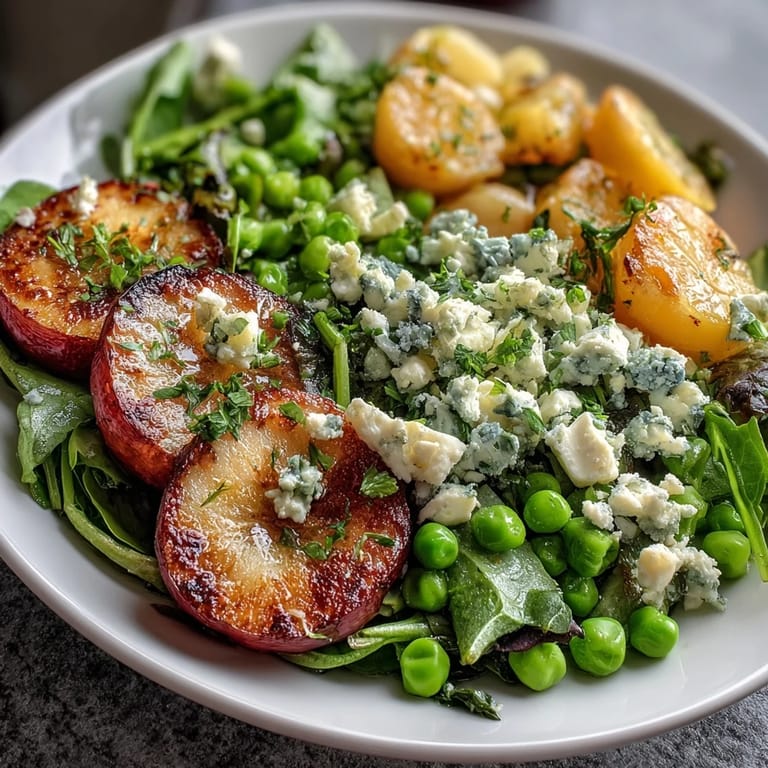
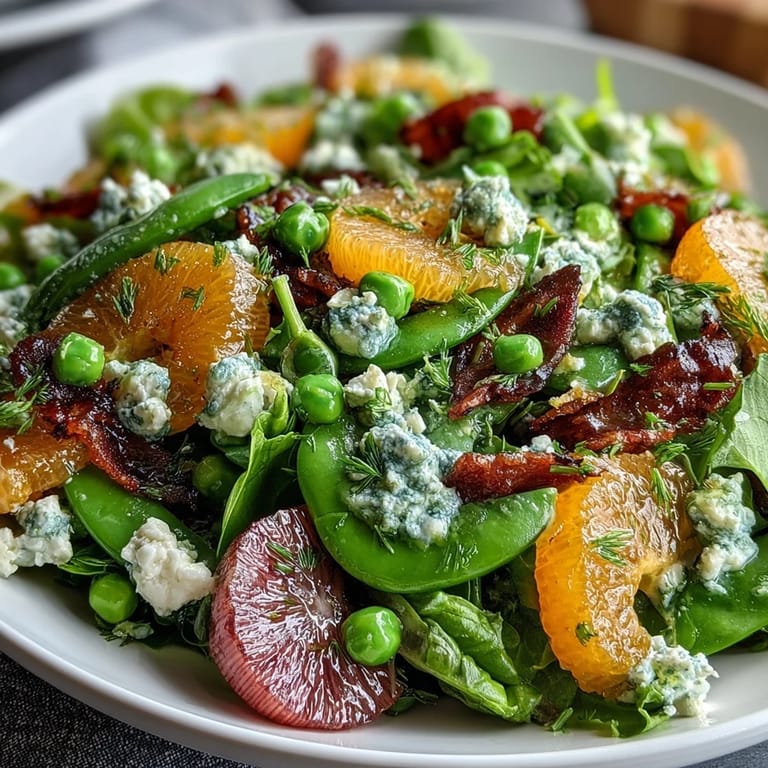
Save There's something about April that makes me crave salads again. After months of roasted root vegetables and heavy soups, my kitchen suddenly feels too warm, and I find myself standing in front of the farmers market with an armful of radishes and snap peas, genuinely excited about eating greens. This particular salad came together one sunny afternoon when I realized I had these perfect spring vegetables and wanted something that tasted like the season itself—bright, clean, and unapologetically simple.
I made this for a potluck last spring where everyone brought their usual heavy casseroles, and this little salad somehow became the thing people kept coming back to. One person asked if I'd added something special to the greens themselves, which made me realize that the whole magic of the dish lives in that vinaigrette—how the lemon and honey balance each other, how the mustard keeps it from being too sweet. It felt like a small victory in a room full of cream sauce.
Ingredients
- Mixed spring greens: Use a blend of arugula, baby spinach, and watercress if you can find them together, but honestly any tender greens work—the peppery ones just add personality.
- Sugar snap peas: Buy them firm and crisp, and slice them on the diagonal because it looks nicer and somehow makes them taste fresher.
- Fresh green peas: If you can get them fresh, they're noticeably sweeter, but frozen ones work beautifully and honestly taste just as good.
- Radishes: Slice them thin so they stay crisp and don't overwhelm with heat—they're there to add a sharp bite and visual pop, not to take over.
- Red onion: Just a quarter of a small one, sliced paper-thin, because raw onion can be aggressive if you're not careful.
- Extra virgin olive oil: This is where quality actually matters since it's raw and front-and-center in the vinaigrette.
- Fresh lemon juice: Bottled works in a pinch, but fresh lemons make a noticeable difference in brightness.
- Lemon zest: Grate it finely so it distributes evenly and doesn't feel like eating tiny pebbles of lemon.
- Dijon mustard: This is the secret ingredient that keeps the dressing from being too sweet and helps everything emulsify.
- Honey: Just enough to balance the acidity and make the dressing feel rounded and complete.
- Sea salt and black pepper: Taste as you go because both can shift the entire flavor depending on your other ingredients.
- Fresh chives: Chop them right before serving so they don't bruise and lose their mild onion flavor.
- Feta cheese: Crumble it loosely so it mingles with the greens rather than clumping together.
Tired of Takeout? 🥡
Get 10 meals you can make faster than delivery arrives. Seriously.
One email. No spam. Unsubscribe anytime.
Instructions
- Gather your vegetables and prep with intention:
- Wash and dry your greens thoroughly—wet leaves will dilute the vinaigrette and make everything feel limp. Slice your radishes, trim and angle-cut your sugar snaps, and pull out your peas, arranging everything in your bowl like you're about to paint something beautiful.
- Build the vinaigrette in a jar:
- Pour your olive oil, lemon juice, and zest into a small jar or bowl, then add the mustard and honey. Whisk vigorously for about 30 seconds until the mixture turns slightly creamy and emulsified—this is when you know the mustard has done its job.
- Season the dressing carefully:
- Add sea salt and black pepper, then taste on a leaf of greens before committing. Vinaigrettes always taste stronger in the bowl than on your tongue, so be conservative with salt at first.
- Dress the salad gently:
- Drizzle the vinaigrette over your bowl of vegetables and toss with your hands or two spoons, turning everything until each leaf is lightly coated but not swimming in dressing. This takes maybe a minute and feels more controlled than vigorous stirring.
- Finish with garnish and serve immediately:
- Scatter your chopped chives and crumbled feta over the top just before serving, because fresh herbs wilt quickly and cheese can start to absorb moisture if it sits too long. This salad is at its absolute best right now, still crisp and singing.
 Save
Save This salad became my answer to the question of what to bring when I wanted to show up but didn't want to spend my entire evening cooking. There's something honest about serving something this simple and having people genuinely excited about it—no cream, no fuss, just vegetables that taste like themselves.
The Science of Spring Vegetables
Spring vegetables are special because they're delicate and tender, which means they don't need much to shine. Radishes taste peppery and crisp because they're grown quickly in cool weather, sugar snap peas are sweeter because they're young and haven't converted all their sugars to starch yet, and tender greens simply taste brighter than their winter counterparts. When you understand this, you realize that your job as the cook is to stay out of their way and let them be themselves.
The Magic of Mustard in Vinaigrettes
Dijon mustard does three things in a vinaigrette that seem almost magical. First, it emulsifies the oil and acid so they stop fighting each other and create something smooth. Second, it adds a subtle depth that prevents the dressing from tasting one-note. Third, it helps the flavors stick to the greens instead of sliding off. I learned this the hard way by making dozens of vinaigrettes without mustard and wondering why they always tasted like I was eating salad with a lemon shower.
Making This Salad Your Own
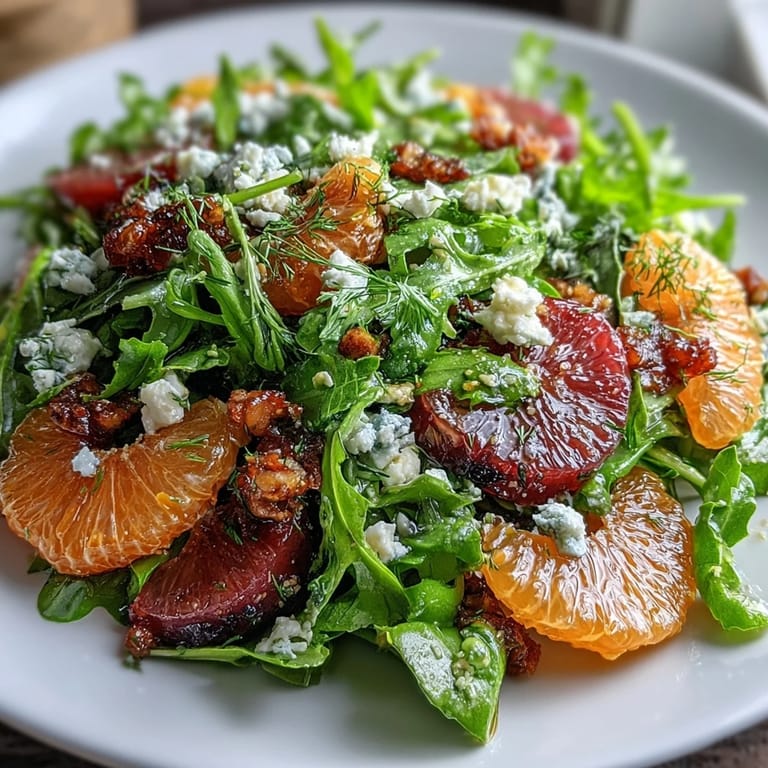
The beauty of this recipe is that it's a framework rather than a prison. You can swap radishes for shaved fennel, add toasted seeds or nuts, toss in fresh herbs like tarragon or dill, or even add crumbled goat cheese instead of feta. The vinaigrette works with almost any spring vegetable you have on hand, and the ratios are flexible enough that you can scale up or down depending on how many people are coming to dinner.
- Make extra vinaigrette to dress grilled chicken or salmon if you want to turn this into a main course.
- Toast sunflower seeds or sliced almonds in a dry pan for 2 minutes to add crunch and richness.
- If you're serving this at a gathering, keep the dressing separate and let people dress their own bowls so it stays crisp.
 Save
Save This salad tastes like eating sunlight on a plate, and it reminds me why simple cooking can sometimes be the most satisfying. When you nail something this uncomplicated, it feels less like following instructions and more like discovering something you've always known.
Recipe FAQs
- → What type of greens work best in this salad?
Mixed spring greens like arugula, baby spinach, and watercress offer a peppery and fresh base that complements the vinaigrette well.
- → Can I use frozen peas for this dish?
Yes, thawed frozen green peas are a convenient alternative to fresh peas without compromising the flavor or texture.
- → Is it possible to make this salad vegan?
Omit the feta cheese or swap it with a vegan cheese alternative to keep it fully plant-based.
- → How should the lemon vinaigrette be prepared?
Whisk together extra virgin olive oil, fresh lemon juice and zest, Dijon mustard, honey, salt, and pepper until emulsified.
- → What additions enhance the salad’s texture?
Toasted sunflower seeds or sliced almonds add a pleasant crunch and complement the tender vegetables.